Qatar is one of the world’s most internationally recognized countries today, known globally for its rapid development, modern skyline, luxury hospitality, global aviation industry, sports investments, and cultural influence. As millions of tourists, expatriates, business travelers, and football fans visit or speak about the country each year, one surprisingly common question continues to appear worldwide: how exactly do you pronounce “Qatar” correctly?
The name is often pronounced differently depending on language background, accent, and familiarity with Arabic pronunciation. Visitors commonly say variations such as “Kuh-TAR,” “Ka-tar,” “Key-ter,” or “Qua-tar,” while others struggle with the deeper Arabic sounds that do not exist naturally in many languages.
Interestingly, even among English speakers, there is no universally consistent pronunciation. International media outlets, broadcasters, sports commentators, and tourists often pronounce the word differently, contributing to widespread confusion.
However, in Arabic, the pronunciation of Qatar carries distinct phonetic characteristics rooted in the Arabic alphabet and Gulf dialect traditions. While locals understand most foreign pronunciations without issue, learning the authentic pronunciation can help visitors feel more connected to the country’s culture and language.
Understanding how to pronounce Qatar correctly also offers insight into Arabic pronunciation itself — particularly sounds that are difficult for non-native speakers to replicate.
Why “Qatar” Is Difficult for Many Foreigners to Pronounce
The main challenge comes from the Arabic sounds used in the original word.
Arabic Pronunciation Differences
Arabic contains several consonant sounds that do not exist naturally in English and many other languages.
The Arabic spelling of Qatar is:
“ﻗَﻄَﺮ”
Certain letters in this word require throat-based pronunciation techniques unfamiliar to many foreign speakers.
Influence of Native Accents
People often pronounce foreign words according to the sound patterns of their own language.
As a result, speakers from different countries naturally produce different variations of “Qatar.”
English Spelling Confusion
The Latin spelling “Qatar” can also mislead English speakers because the letter “Q” is usually followed by “u” sounds in English pronunciation patterns.
This causes many people to incorrectly say:
- “Qua-tar”
- “Kwah-tar”
- “Quatar”
How Locals Pronounce Qatar
In local pronunciation, Qatar sounds closer to:
“Guttar”
or
“Qa-tar” with a deep throat sound.
The First Sound
The first Arabic letter “ق” (qaf) is pronounced deep in the throat.
This sound does not have a perfect equivalent in English.
Some Gulf dialects soften this sound into something closer to a “g,” which is why many locals pronounce Qatar in a way that sounds similar to:
“Guttar.”
The Middle Sound
The second consonant “ط” (taa) is stronger and heavier than the standard English “t.”
It produces a firmer “TA” sound rather than a soft “ta.”
The Final Sound
The ending “ر” (raa) includes a rolled or lightly trilled “r.”
This rolling “r” is common in Arabic pronunciation and several other languages worldwide.
Why “Cutter” Sounds Surprisingly Close
One interesting observation is that the English word “cutter” actually comes surprisingly close to approximating the local pronunciation.
This is because:
- The vowel sounds are similar
- The rhythm feels closer
- The “tt” sound resembles the stronger Arabic “ط”
However, it is still not an exact Arabic pronunciation.
Understanding the Arabic Letters in Qatar
Breaking the word into Arabic letters helps explain the pronunciation more clearly.
ق (Qaf)
This is one of Arabic’s deeper throat-based consonants.
In formal Arabic, it is pronounced strongly from the back of the mouth and throat.
In Gulf dialects, including Qatari Arabic, it is often softened toward a “g” sound.
ط (Taa)
This is an emphatic consonant.
Arabic emphatic letters are pronounced with additional pressure and depth compared to their English equivalents.
ر (Raa)
The Arabic “r” is rolled slightly, similar to Spanish or Italian pronunciation styles.
Common Incorrect Pronunciations
Foreign visitors frequently pronounce Qatar incorrectly because of English reading habits.
Some of the most common incorrect pronunciations include:
- Quatar
- Ka-ter
- Kuh-taar
- Katar
- Kuh-ter
- Kah-taa
- Kah-tah
- Kuh-tur
While locals generally understand these variations, some pronunciations sound much less natural than others.
Why Pronunciation Matters
Correct pronunciation is not simply about language accuracy.
Cultural Respect
Making an effort to pronounce a country’s name correctly can show respect for local culture and language.
Better Local Connection
Visitors who attempt local pronunciation often find interactions with residents become warmer and more engaging.
Improved Communication
Using closer pronunciation can also help reduce misunderstandings in conversations.
Why Even International Media Pronounces Qatar Differently
One reason pronunciation confusion persists is because international broadcasters themselves use varying pronunciations.
Regional Broadcast Differences
British broadcasters, American media, and Arabic news channels often pronounce Qatar differently.
Accent Adaptation
Many broadcasters adjust pronunciation to suit the speaking habits of their audience.
Linguistic Simplification
Some media organizations intentionally simplify foreign pronunciations for easier understanding among international viewers.
Arabic Pronunciation and Gulf Dialects
Arabic pronunciation varies significantly across regions.
Formal Arabic vs Local Dialect
In Modern Standard Arabic, the “qaf” sound is pronounced more heavily and formally.
In Gulf dialects, particularly in Qatar and neighboring Gulf countries, the sound often shifts toward “g.”
Local Everyday Pronunciation
Because of dialect influence, locals may pronounce Qatar in a softer and faster manner than formal Arabic learners expect.
How Foreign Residents Usually Adapt
Many expatriates living in Qatar gradually adapt their pronunciation over time.
Learning Through Conversation
Daily exposure to local speech patterns naturally improves pronunciation familiarity.
Simplified Versions
Many residents use an internationally understandable pronunciation somewhere between:
“Kuh-tar”
and
“Guttar.”
Accent Flexibility
Locals generally appreciate effort more than perfect pronunciation.
Pronunciation and National Identity
The pronunciation of Qatar has become increasingly visible globally because of the country’s expanding international role.
Global Visibility
Major events such as:
- FIFA World Cup
- International sports tournaments
- Global business conferences
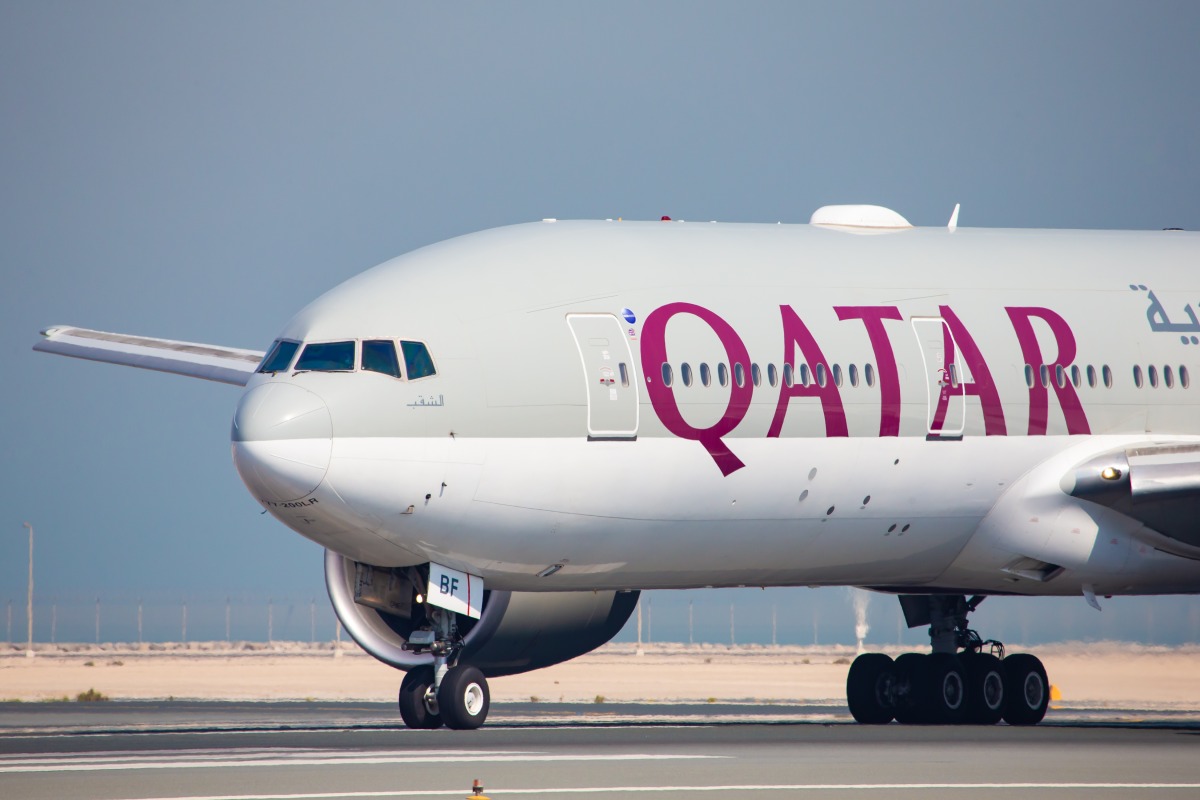
- Qatar Airways branding
have exposed millions of people worldwide to the country’s name.
Language and Identity
Correct pronunciation often becomes tied to cultural authenticity and national identity.
Why Arabic Sounds Are Challenging for English Speakers
Several Arabic sounds are difficult because they rely on throat and tongue positions uncommon in English.
Deep Consonants
Arabic includes multiple deep consonants produced farther back in the throat.
Emphatic Sounds
Certain Arabic letters add heaviness or pressure to consonants.
Rolled R Sounds
Many English speakers are unfamiliar with rolled “r” pronunciation.
These differences explain why foreign pronunciations vary widely.
Tips for Pronouncing Qatar More Naturally
If you want a more natural pronunciation, these tips can help.
Keep It Short
Avoid stretching the vowels excessively.
Strengthen the “T”
The middle “t” should sound firmer than a soft English “t.”
Avoid “Qua”
Do not pronounce the word like “quarter” or “quartz.”
Listen to Native Speakers
Hearing local pronunciation repeatedly is the best way to improve naturally.
How Locals React to Mispronunciation
Fortunately, most Qataris are very understanding toward foreigners attempting Arabic pronunciation.
Multicultural Environment
Qatar hosts residents from hundreds of nationalities and languages.
Locals are accustomed to hearing many pronunciation variations.
Appreciation for Effort
Making an effort to say the name properly is usually appreciated even if the pronunciation is imperfect.
Frequently Asked Questions
How do locals pronounce Qatar?
Locals often pronounce it closer to “Guttar” or a deep-throated “Qa-tar.”
Is “Kuh-TAR” correct?
It is commonly used internationally but is not the closest local Arabic pronunciation.
Why is Qatar difficult to pronounce?
Arabic includes throat and emphatic sounds that do not exist naturally in many other languages.
What is the Arabic spelling of Qatar?
In Arabic, Qatar is written as “ﻗَﻄَﺮ”.
Do locals mind if foreigners pronounce Qatar incorrectly?
Generally no. Qataris are accustomed to hearing many international accents and pronunciations.
Conclusion
Learning how to pronounce Qatar correctly offers more than just linguistic accuracy — it provides insight into Arabic language traditions, Gulf dialects, and local cultural identity. While many foreign pronunciations remain understandable, the authentic pronunciation reflects distinctive Arabic sounds that make the country’s name unique.
From the deep “qaf” consonant and emphatic “taa” to the rolled final “r,” the pronunciation of Qatar demonstrates how language and national identity are closely connected. As the country continues expanding its international presence, more people worldwide are becoming familiar not only with Qatar itself but also with the cultural and linguistic nuances behind its name.
Whether someone says “Qatar,” “Guttar,” or “Kuh-TAR,” the willingness to learn and appreciate the local pronunciation often matters most.