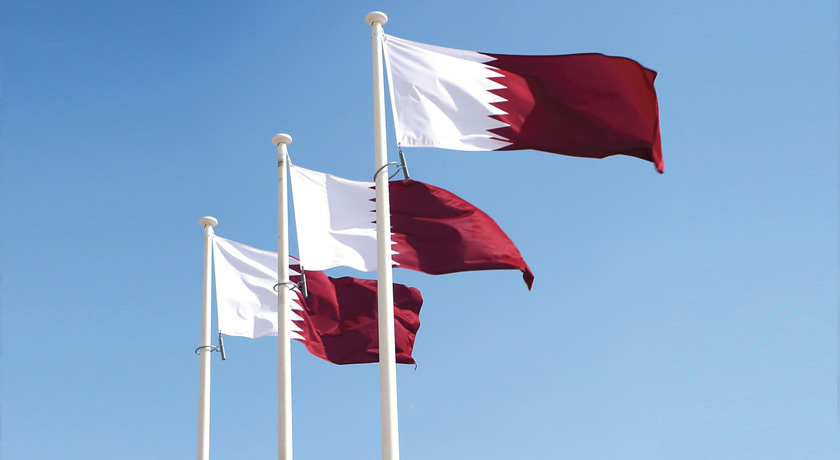
The Qatar national flag is one of the country’s most important national symbols, representing the nation’s identity, heritage, sovereignty, and historical journey. Recognized globally for its distinctive maroon-and-white design, the flag stands apart from every other national flag in the world because of its unique proportions, deep historical symbolism, and cultural significance within Qatari society.
For Qataris, the flag is more than a state emblem displayed during official ceremonies or national celebrations. It represents unity, resilience, heritage, and national pride. During major sporting events, Qatar National Day celebrations, diplomatic ceremonies, and public gatherings, the flag becomes a visible expression of patriotism and collective identity.
The flag’s distinctive appearance also reflects important chapters in Qatar’s history, from early maritime traditions and tribal alliances to the country’s political evolution and independence. Its maroon color, serrated white edge, and unusually long dimensions all carry symbolic and historical meaning that connect modern Qatar to its past.
Today, the Qatar national flag remains protected not only culturally but also legally through official laws regulating its use, treatment, and display. These regulations emphasize the importance of respecting the flag as a representation of the state and its people.
What the Qatar National Flag Is Called
The Qatar national flag is locally known as “Al Adaam,” a term deeply connected to Qatari heritage and cultural identity.
The name carries historical and symbolic meanings linked to support, gathering, and community strength. In older linguistic usage, the word was associated with the concept of supporting pillars or posts around which people would gather. Over time, the term also became associated with the deep maroon color represented on the national flag.
Locally, the term is often pronounced as “Lad-am.”
What the Qatar National Flag Looks Like
The Qatar national flag features a white vertical band on the hoist side separated from a maroon field by nine white serrated triangles.
Its design is instantly recognizable because of:
- Deep maroon coloring
- Serrated white edge
- Unusually long proportions
- Minimalist yet symbolic structure
The Nine Points
The nine white triangles hold historical significance.
They symbolize Qatar becoming the ninth member of the Emirates following the Qatari-British treaty signed in 1916.
This detail links the modern flag directly to Qatar’s political history during the early twentieth century.
The Meaning Behind the Flag’s Colors
The two colors used on the Qatar national flag are maroon and white.
White Symbolism
White is commonly associated with peace and purity and has historically appeared on Gulf flags.
Maroon Symbolism
The maroon section is one of the flag’s most distinctive elements and carries strong historical roots connected to Qatar’s early history and geography.
The specific shade used today is officially registered as Pantone 1955C.
This modern standardized color replaced older variations that were more difficult to reproduce consistently across printed materials and manufacturing processes.
Origins of the Maroon Color
The maroon color used on the Qatar national flag traces back to Purple Island, also known as Bin Ghannam Island, near Al Khor.
Archaeologists discovered remnants of murex sea shells on the island, which were historically used to produce dyes. When exposed to sunlight, these dyes developed darker maroon and purplish-red tones.
Historical Dye Production
The dye extraction process connected Qatar historically to ancient maritime trade and textile traditions.
This historical connection is one reason Qatar strongly insisted on retaining maroon rather than adopting standard red during later flag redesign discussions.
Evolution of the Qatar National Flag
The current flag evolved through several stages before reaching its modern form.
Early Red Flags
Historically, Gulf states commonly used red flags. Qatar’s early banners also featured red shades influenced by regional traditions.
British Influence and Redesign Discussions
In 1932, the British Navy suggested that Qatar adopt a more standardized red flag. However, Qatar rejected this proposal and insisted on preserving the maroon color tied to its historical identity.
The 1932 Version
The redesigned 1932 flag included:
- Maroon background
- White serrated edge
- Maroon diamonds
- The word “Qatar” written in white
Modern Flag Adoption
In 1960, Sheikh Ali bin Abdullah Al Thani simplified the design by removing the diamonds and written text while retaining the maroon and white colors and the serrated edge.
This created the modern version used today.
The Unique Shape of the Qatar National Flag
One of the most unusual aspects of the Qatar national flag is its dimensions.
Guinness World Record
The flag has an aspect ratio of 11:28, making it the only national flag in the world with a width more than twice its height.
Because of this unique proportion, the flag holds a Guinness World Record.
Why the Shape Matters
Most national flags use more standard proportions such as:
- 2:3
- 1:2
Qatar’s elongated shape makes the flag visually distinctive even from a distance.
Legal Protection of the Qatar National Flag
The Qatar national flag is protected under Law No. (14) of 2012.
The law establishes rules governing:
- Flag design
- Official colors
- Manufacturing standards
- Display protocols
- Respectful treatment
- Public usage regulations
Importance of Respect
The law emphasizes that the flag must always be treated with dignity and respect as a symbol of the Qatari state.
Rules for Using the Qatar National Flag
The government established detailed protocols for how the flag should be handled and displayed.
Flags Must Be Clean and Undamaged
The law prohibits displaying flags that are:
- Torn
- Dirty
- Faded
- Worn out
- Improperly manufactured
No Alterations Allowed
It is prohibited to:
- Add words
- Add images
- Modify the design
- Use the flag for unrelated purposes
Advertising Restrictions
The flag cannot legally be used as a trademark or for advertising purposes.
Penalties for Disrespecting the Flag
Qatar enforces strict legal consequences for publicly insulting or disrespecting the national flag.
Actions such as:
- Tearing the flag
- Public desecration
- Expressing contempt toward the flag
can result in imprisonment and significant financial penalties.
These laws reflect the strong cultural importance attached to national symbols in Qatar.
Public Use of the Qatar National Flag
Despite strict legal protections, the Qatar national flag is widely used publicly during celebrations and national events.
Qatar National Day Celebrations
During Qatar National Day, residents commonly display the flag through:
- Car decorations
- Window displays
- Clothing
- Pins and accessories
- Face paint
- Public banners
These displays are legally permissible as long as they follow official guidelines.
Flag Hoisting Protocols
Qatar also maintains detailed rules governing how the flag should be raised and displayed.
Positioning Rules
When displayed vertically:
- White must remain on top
- Maroon must hang downward
When displayed horizontally:
- The white side must appear on the viewer’s left.
Flagpole Requirements
The flag must always occupy the highest position when displayed with other flags.
The Flag During Ceremonies
The national anthem and official ceremonies involve strict flag etiquette.
Respect During the Anthem
During the anthem:
- Individuals must face the flag
- Military personnel perform salutes
- Spectators stand respectfully
Processions and Parades
When carried in processions, the Qatari flag must appear prominently among other flags.
These protocols reinforce the symbolic importance of the flag during state occasions.
Proper Care of the Qatar National Flag
The law also outlines maintenance expectations for preserving the flag.
Cleaning Guidelines
The flag should:
- Be washed separately
- Be stored carefully
- Avoid dragging on the ground
- Remain properly folded during transport
Handling Damaged Flags
Damaged or faded flags must never be repaired. Instead, they should be respectfully destroyed or burned so they no longer resemble an official state flag.
Why the Qatar National Flag Matters
The Qatar national flag represents more than historical symbolism alone.
It reflects:
- National unity
- Sovereignty
- Cultural identity
- Political independence
- Historical continuity
During global sporting events such as the FIFA World Cup and major international tournaments, the flag became one of the most visible symbols representing Qatar on the world stage.
Its instantly recognizable maroon-and-white design has become closely associated with modern Qatari identity.
Frequently Asked Questions
What is the Qatar national flag called?
The flag is called “Al Adaam,” a term linked to Qatar’s maroon color and historical cultural symbolism.
Why does the Qatar flag have nine points?
The nine serrated points symbolize Qatar becoming the ninth member following the 1916 treaty.
Why is the Qatar flag maroon?
The maroon color originates from historical dye production associated with Purple Island near Al Khor.
What makes the Qatar flag unique?
Its 11:28 ratio makes it the only national flag in the world with a width more than twice its height.
Is disrespecting the Qatar flag illegal?
Yes. Qatar enforces strict laws against publicly insulting or misusing the national flag.
Conclusion
The Qatar national flag stands as one of the country’s most powerful national symbols, representing heritage, sovereignty, unity, and historical identity. Its distinctive maroon-and-white design reflects centuries of cultural tradition, political evolution, and national pride.
From its origins connected to ancient dye production and Gulf maritime history to its modern legal protections and ceremonial importance, the flag remains deeply woven into Qatar’s national consciousness. Its unusual proportions, symbolic nine points, and globally recognizable appearance continue distinguishing it from every other national flag in the world.
As Qatar continues expanding its global presence in diplomacy, business, culture, and sports, the national flag remains a lasting symbol of the country’s identity and aspirations.