The Qatar LNG halt could reshape global gas markets after analysts warned the disruption may erase much of the expected supply surplus in 2026. The suspension of liquefied natural gas production has raised concerns about tighter energy markets if the outage continues.
Morgan Stanley analysts say the Qatar LNG halt may remove most of the projected global oversupply next year. Before the conflict escalated, the investment bank expected the LNG market to remain in surplus due to new export capacity from the United States and other regions.
However, supply disruptions from the world’s largest LNG exporter could quickly shift market dynamics. Analysts believe the market could move from surplus to deficit if the Qatar LNG halt extends beyond a month.
Qatar LNG Halt Disrupts Global Gas Supply
The Qatar LNG halt occurred after QatarEnergy suspended production amid escalating conflict involving the United States, Israel, and Iran. The energy company declared force majeure following the disruption to operations.
Force majeure allows companies to pause or cancel contractual obligations when extraordinary circumstances prevent normal operations. Events such as war, natural disasters, or blockades typically trigger such clauses.
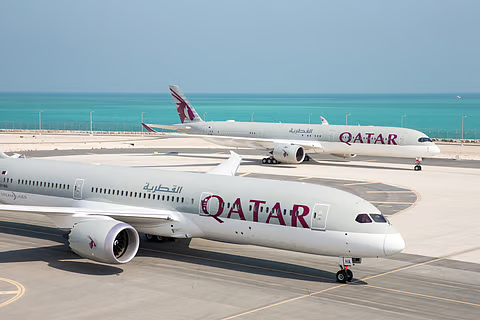
Energy analysts say this step highlights the severity of the situation. LNG supply disruptions from Qatar carry global implications because the country remains the largest exporter of liquefied natural gas.
Qatar’s LNG shipments supply key markets in Asia and Europe. Therefore, any extended outage could influence global gas prices and supply stability.
Global LNG Market Could Shift to Deficit
Before the conflict intensified, Morgan Stanley had projected a global LNG surplus of around six million tonnes in 2026. New LNG export projects in the United States and other producing regions were expected to increase supply.
However, the Qatar LNG halt now threatens to remove much of that surplus. If exports remain suspended for several weeks, supply shortages could emerge sooner than expected.
Energy traders closely monitor the situation because LNG markets remain sensitive to disruptions. Even short outages can tighten supply and trigger price volatility.
The potential shift from surplus to deficit highlights how heavily global markets rely on Qatar’s gas exports.
Energy Minister Warns Recovery Could Take Months
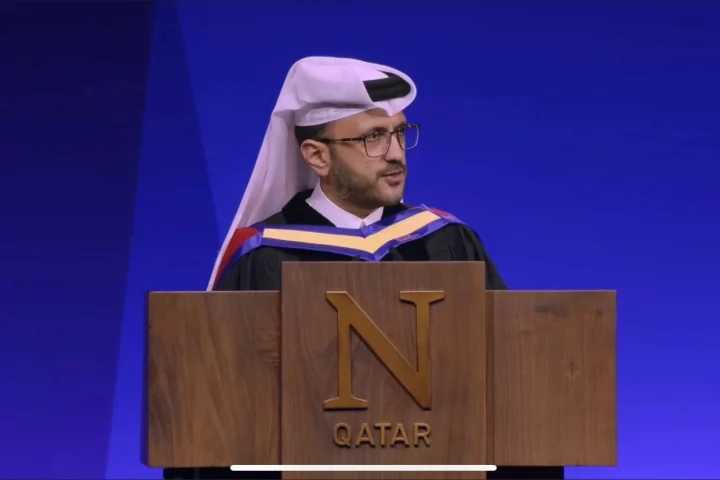
Qatar’s energy minister, Saad Sherida Al Kaabi, warned that normal export cycles may take time to restore. Even if the conflict ends quickly, LNG deliveries may not resume immediately.
Al Kaabi indicated that it could take weeks or even months for production and shipments to return to normal levels. Restarting LNG facilities and rebuilding supply chains often requires careful coordination.
The prolonged recovery timeline adds further uncertainty to global energy markets. Importing countries may need to adjust supply strategies while the Qatar LNG halt continues.
North Field Expansion Timeline Delayed
The disruption may also affect the timeline for Qatar’s major LNG expansion projects. Morgan Stanley analysts said the first cargoes from the North Field expansion project may arrive later than previously expected.
Earlier projections suggested shipments could begin sooner. However, analysts now anticipate the first deliveries in the first quarter of 2027.
QatarEnergy awarded the final contract for the expansion project recently as part of a broader plan to increase production capacity. The project aims to significantly expand the country’s LNG output over the next decade.
Qatar Plans Major LNG Production Growth
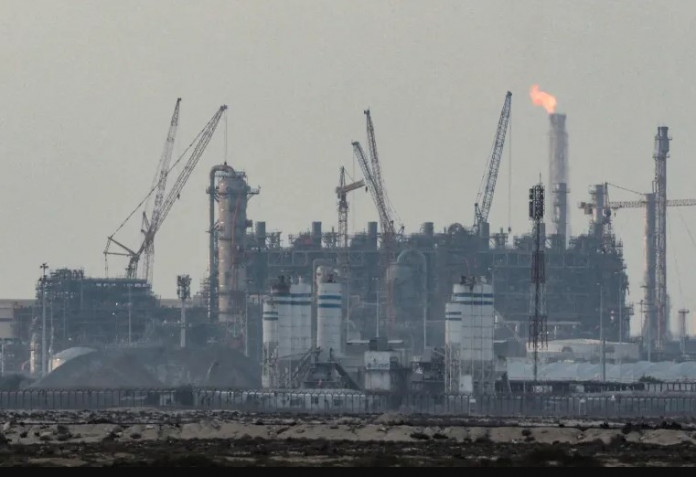
Despite current disruptions, Qatar continues pursuing long-term expansion in LNG production. The country plans to increase output from the North Field, the world’s largest natural gas field.
In early 2024, Qatar announced plans to expand production capacity from 77 million tonnes per annum to 142 million tonnes per annum by 2030.
The expansion will strengthen Qatar’s position as the world’s leading LNG exporter. Global demand for liquefied natural gas continues to grow as countries shift away from coal and seek cleaner energy sources.
Qatar’s leadership remains optimistic about long-term market demand. Energy officials believe LNG consumption will continue rising as developing economies expand and energy transition policies accelerate.
For now, however, the Qatar LNG halt underscores how geopolitical tensions can disrupt global energy supply chains. Even temporary interruptions can reshape market expectations and influence pricing across international gas markets.