The Qatar national flag is one of the country’s most respected national symbols, representing the state’s sovereignty, cultural identity, historical heritage, and national unity. Throughout Qatar, the flag is displayed proudly during official ceremonies, sporting events, national celebrations, diplomatic occasions, and public gatherings. For many citizens and residents, the flag symbolizes loyalty, pride, and deep emotional connection to the nation.
Because of its importance, Qatar maintains strict laws and official protocols governing how the flag may be used, displayed, transported, manufactured, and treated. These regulations are intended to preserve the dignity and integrity of the national flag while ensuring it is always displayed respectfully and according to approved standards.
The importance of the Qatar national flag becomes especially visible during Qatar National Day celebrations, when buildings, vehicles, public spaces, and homes are decorated with maroon-and-white displays. However, even during festive periods, the use of the flag remains subject to official guidelines and legal restrictions.
Understanding the proper use of the Qatar national flag is important not only for citizens but also for residents, visitors, businesses, organizations, and international guests living or operating in the country. From proper flag positioning and ceremonial etiquette to penalties for misuse, Qatar’s laws clearly define how the flag should be respected at all times.
The Meaning Behind the Qatar National Flag
The Qatar national flag reflects the country’s historical and cultural identity.
Maroon and White Colors
The flag features two colors:
- Maroon
- White
Historical Origins of the Maroon Color
Historically, Qatar’s ancestors used red-colored flags connected to dye sources found near what is now known as Purple Island. Exposure to sunlight gradually transformed the red shade into a maroon or purplish-red color.
The Nine Serrated Points
The modern flag includes nine serrated white points separating the white and maroon sections. These points symbolize Qatar becoming the ninth member of the Trucial Coast Convention of 1916.
Why the Flag Is Called “Al Adaam”
The Qatar national flag is known locally as “Al Adaam.”
Meaning of the Name
Historically, the term referred to the maroon color associated with the flag.
Linguistic Roots
The word also carries meanings connected to:
- Support
- Structural posts
- Stability
- Foundation
This reflects the symbolic role of the flag as a source of unity and national identity.
Official Dimensions of the Qatar National Flag
The Qatari flag has one of the most unique proportions among all national flags worldwide.
Official Ratio
The flag uses a width-to-length ratio of 11:28.
Unique Global Proportion
Its unusual elongated shape distinguishes it from nearly every other national flag globally.
What the Qatar National Flag Is Made Of
For official government use, the flag must be manufactured from approved materials.
Official Fabrics
Approved official fabrics include:
- Triknit Lux Polyester
- Polyester Satin
Public Use Materials
For general public use, different fabrics may be used as long as the official maroon and white colors remain accurate.
Qatar’s Flag Law
The primary regulations governing the flag are established under Law No. (14) of 2012 concerning the Qatari flag.
This law outlines detailed rules regarding:
- Respectful treatment
- Manufacturing standards
- Display protocols
- Transport
- Commercial restrictions
- Penalties for misuse
The Most Important Rules for Using the Qatar National Flag
The law establishes several key requirements regarding how the flag must be treated.
The Flag Must Always Be Respected
The flag must always be treated with dignity and respect.
It must never be subjected to:
- Humiliation
- Disrespect
- Improper positioning
Positioning Above Other Flags
The Qatari flag cannot be displayed lower than another flag or banner.
Damaged Flags Cannot Be Displayed
Flags that are:
- Torn
- Dirty
- Worn out
- Faded
- Poorly manufactured
may not legally be raised or displayed.
Proper Maintenance
The flag must always remain:
- Clean
- Properly ironed
- Well maintained
No Modifications Allowed
The law prohibits:
- Adding phrases
- Printing images
- Adding logos
- Altering the design
The flag must remain in its official approved form.
Restrictions on Advertising and Commercial Use
The Qatar national flag may not be used as:
- A trademark
- Commercial branding
- Advertising material
This restriction helps preserve the flag’s dignity and national symbolism.
Rules for Transporting the Flag
When carrying or transporting the flag:
- It must be folded correctly
- It must not drag on the ground
- No part may dangle improperly
These requirements help maintain respect during movement and storage.
Penalties for Disrespecting the Flag
Qatar imposes strict penalties for publicly insulting or disrespecting the national flag.
Serious Violations
Actions such as:
- Tearing the flag
- Removing it disrespectfully
- Public contempt
- Expressions of hatred toward the flag
can result in imprisonment for up to three years and significant financial penalties.
Additional Violations
Other offenses include:
- Selling non-compliant flags
- Displaying damaged flags
- Improper flag usage
These violations may also result in imprisonment or fines.
Public Use During Qatar National Day
During Qatar National Day celebrations, the national flag becomes highly visible across the country.
Common Public Displays
Residents often decorate:
- Vehicles
- Homes
- Buildings
- Clothing
- Windows
- Accessories
Legally Permissible Displays
These forms of celebration are allowed as long as they comply with official laws and protocols.
Rules for Raising the Qatar National Flag
The law includes very specific instructions regarding flag positioning and display.
Flagpole Positioning
The flag must always occupy the highest point on a flagpole.
Correct Vertical Display
When hanging vertically:
- White must remain on top
- Maroon must hang downward
Correct Horizontal Display
When displayed horizontally:
- The white section must appear on the viewer’s left side
Displaying the Flag on Buildings
The traditional display location is near the main entrance of buildings.
The exact positioning may vary depending on:
- Building design
- Number of flags
- Pole structure
Flag Protocol During Ceremonies
Official ceremonies require specific flag etiquette.
During the National Anthem
Everyone present must stand facing the flag during the anthem.
Military Salutes
Military personnel must perform official salutes during raising and lowering ceremonies.
Respect From Passersby
People passing nearby during ceremonies must also stop respectfully until proceedings conclude.
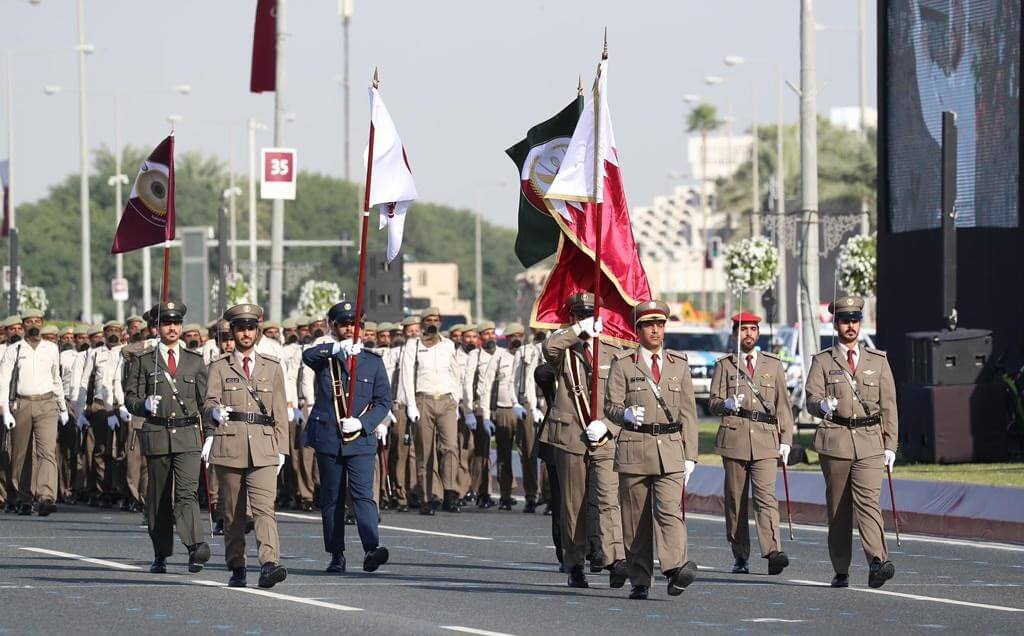
Rules for the Flag in Processions
Special rules apply when carrying the flag in processions or parades.
Position in a Procession
The Qatari flag must appear prominently in front when multiple flags are displayed.
Placement Among Other Flags
If multiple flags are carried side-by-side, the Qatari flag occupies the viewer’s right-hand side.
Proper Cleaning and Care
The flag must be cleaned carefully according to its fabric type.
Washing Requirements
The flag should:
- Be washed separately
- Be stored carefully
- Avoid improper drying methods
Proper maintenance ensures the flag remains suitable for respectful display.
What to Do With Damaged Flags
Damaged flags must never be repaired.
Replacement Requirement
Any torn or faded flag must be replaced immediately.
Proper Disposal
Unusable flags should be respectfully destroyed or burned so they no longer resemble the official flag.
Why These Rules Matter
The strict regulations surrounding the Qatar national flag reflect the country’s deep respect for national symbols.
Protecting National Identity
The flag represents:
- Sovereignty
- Unity
- Heritage
- National pride
- Historical continuity
Encouraging Civic Respect
Flag laws reinforce broader cultural values related to patriotism and public respect.
Preserving Symbolic Integrity
Restrictions on modification and misuse help preserve the flag’s official meaning.
Frequently Asked Questions
What is the Qatar national flag called?
The flag is called “Al Adaam.”
Can the Qatar flag be used for advertising?
No. The law prohibits using the flag as a trademark or for advertising purposes.
What happens if someone insults the Qatar flag?
Public disrespect toward the flag can result in imprisonment and financial penalties.
Can damaged flags be repaired?
No. Torn or faded flags must be replaced rather than repaired.
What do the nine points on the flag represent?
They symbolize Qatar becoming the ninth member of the Trucial Coast Convention of 1916.
Conclusion
The Qatar national flag remains one of the country’s most powerful symbols of identity, unity, and heritage. Its maroon-and-white design reflects centuries of history while also representing the modern state’s sovereignty and national pride. Because of this importance, Qatar maintains detailed laws and protocols ensuring the flag is always treated with dignity and respect.
From proper positioning and ceremonial etiquette to restrictions on commercial use and penalties for disrespect, the regulations surrounding the flag emphasize its deep cultural and national significance. Whether displayed during official ceremonies, national celebrations, sporting events, or public gatherings, the Qatar national flag continues serving as a visible expression of patriotism and collective identity throughout the country.