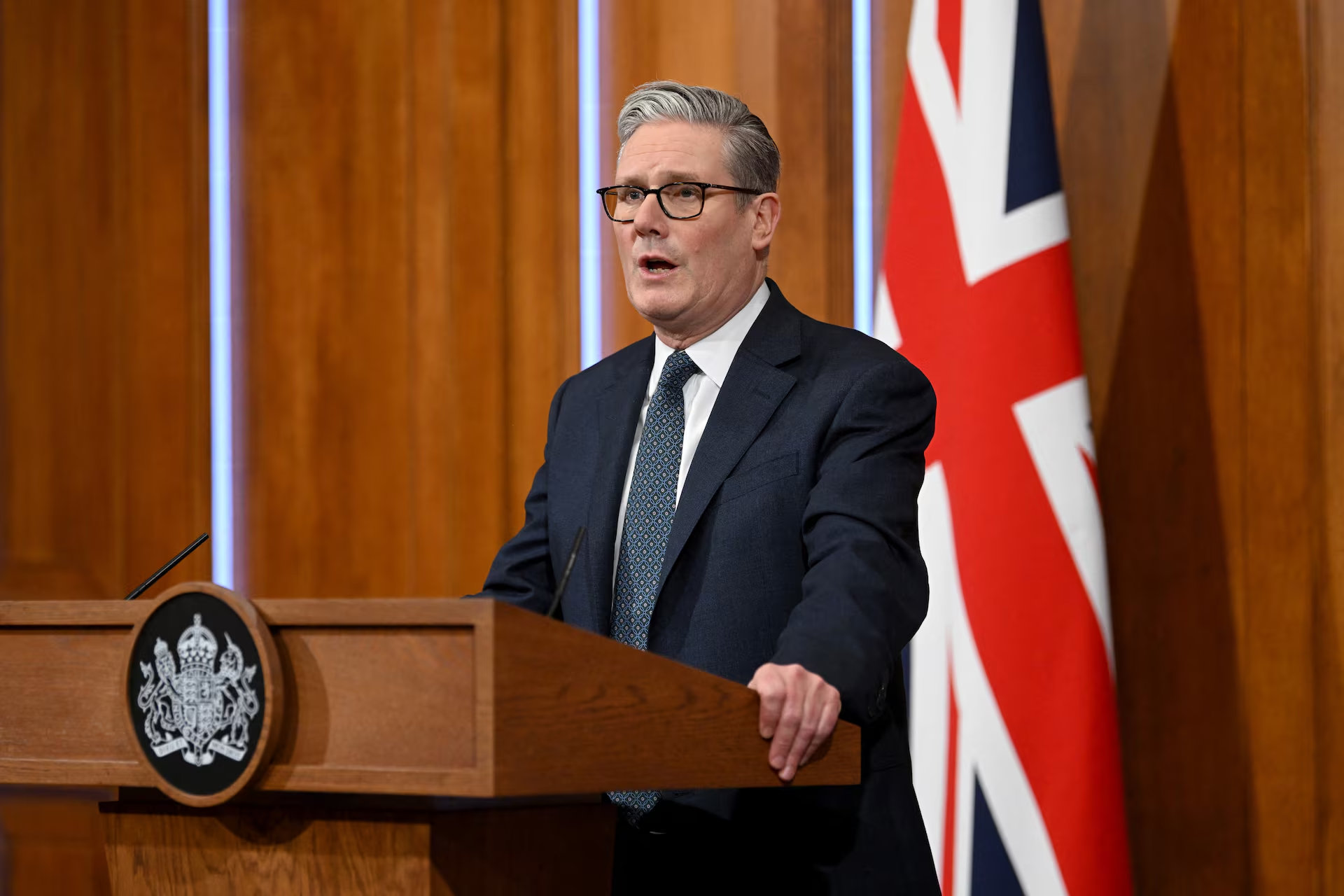
Starmer Qatar jets plans have moved to the centre of Britain’s response to the escalating Iran conflict, as the UK prime minister confirmed four additional Typhoon fighter jets will deploy to Qatar. Speaking after a fresh emergency Cobra meeting, Starmer said the priority is protecting British citizens and strengthening defensive operations as attacks spread across the Gulf.
The announcement came as the US and Israel continued strikes on Iran, while Iran launched missiles and drones across multiple countries in the region. Starmer also confirmed the first government arranged repatriation flight has taken off from Oman, after earlier delays caused frustration among passengers.
Starmer Qatar jets decision framed as defensive move
Starmer Qatar jets deployment will add four Typhoons to the UK squadron already positioned in the Gulf. The prime minister said the aircraft will support defensive operations and help protect British personnel, citizens and regional partners.
He also confirmed additional defensive assets are being moved to the wider region, including Wildcat helicopters with anti-drone capabilities to Cyprus and the deployment of a Royal Navy destroyer to the Mediterranean. Starmer said the UK has allowed the US to use British bases for defensive missions, while insisting Britain did not join the initial offensive strikes.
UK repatriation effort begins as registrations rise
Starmer Qatar jets updates came alongside new details about the UK evacuation effort. Starmer said around 4,000 people have already returned to the UK on commercial flights. However, he stressed the scale of the task remains huge, noting that more than 140,000 British nationals have registered their presence in the region with the UK government.
He confirmed the first government chartered flight from Oman is now in the air. Starmer warned more flights may be needed, but said the operation will take time and will not happen overnight.
Why Starmer says he did not join the first strikes
Starmer Qatar jets headlines also revived questions about the UK’s stance on the opening phase of the conflict. Starmer defended his decision not to take part in the initial US Israeli strikes, saying Britain’s long held position is that the best route is de-escalation and a negotiated settlement that addresses Iran’s nuclear ambitions.
He said he refused a request that would have enabled offensive strikes using British bases, arguing his focus is calm, level headed leadership and protecting British interests without rushing into actions that could worsen the situation.
Conflict widens as Gulf states report interceptions
Starmer Qatar jets deployment is taking place against a fast moving regional picture. Multiple countries have reported drone and missile activity, with some interceptions and some impacts inside national borders.
The conflict has also raised concerns about shipping and energy markets, especially around the Strait of Hormuz. Starmer said ministers are working with industries that could be affected by disruption to oil and gas facilities or reduced maritime traffic.
Economic risks and community tensions in the UK
Starmer Qatar jets messaging also addressed domestic concerns, including energy prices and community safety. He warned that the conflict could continue for some time and said the government is preparing for different scenarios.
Starmer said the UK will work with communities, including Jewish and Muslim communities, to ensure they have appropriate support as tensions rise and misinformation spreads.
What to watch next
Starmer Qatar jets deployment signals a stronger UK military posture focused on defence, while the government accelerates evacuation planning. The next major tests will be whether repatriation flights can scale quickly, whether regional attacks expand further, and whether diplomatic channels can slow the pace of escalation before it becomes even harder to contain.