Background: The Deal
On 8–9 October 2025, mediators including Qatar, Egypt, Turkey, and the United States announced a major diplomatic breakthrough: phase one of a ceasefire between Hamas and Israel in the Gaza Strip.
This phase included several key commitments designed to stabilize the situation after two years of relentless conflict. First, both sides agreed to release Israeli hostages and Palestinian prisoners. Second, the deal promised to expand humanitarian access into Gaza, allowing more aid to reach civilians trapped in dire conditions. Finally, the agreement outlined a framework for long-term reconstruction and governance reform in the enclave.
Western and Arab mediators hailed the deal as an essential first step toward ending the devastating war that began in October 2023. However, as weeks passed, it became clear that implementation would be far more complicated than signing the accord.
Why Qatar and the US Are Pressing Hard for Full Implementation
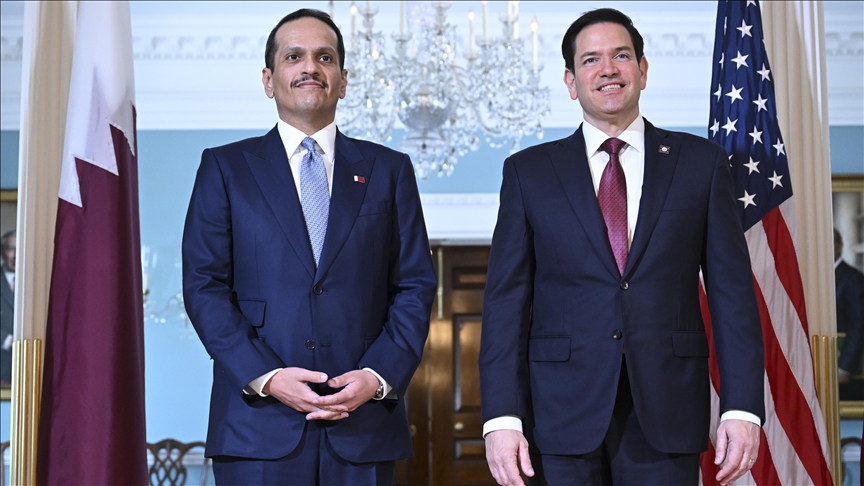
On 30 October 2025, Qatar’s Prime Minister Sheikh Mohammed bin Abdulrahman Al-Thani held a phone call with US Secretary of State Marco Rubio. During the discussion, both officials emphasized the urgent need to fully enforce every aspect of the ceasefire agreement.
They highlighted the importance of coordinated regional and international efforts to guarantee that the provisions are executed effectively. Moreover, they warned that any failure to deliver would erode confidence, undermine peace efforts, and prolong humanitarian suffering in Gaza.
Both nations stressed that phase one should swiftly transition into phase two, which includes security stabilization, governance arrangements, and reconstruction mechanisms. Their message was clear: without continuous progress, the deal could unravel before achieving meaningful results.
Points of Tension and Urgency
Despite the initial optimism, several concerns have emerged.
First, there has been delayed or partial fulfillment of promises. Although some hostages were freed and humanitarian convoys began entering Gaza, many core provisions remain incomplete.
Second, the humanitarian situation is still dire. According to United Nations agencies, relief operations face severe restrictions, and food, water, and medical supplies remain insufficient.
Third, mediators warn that time is running out. Unless tangible progress is made, trust between the parties may deteriorate, potentially triggering renewed violence.
Finally, the implementation mechanisms—including verification teams, monitoring systems, and governance transition structures—have not yet been fully activated. As a result, progress remains fragile and uncertain.
What Full Implementation Entails
For the ceasefire to evolve from an agreement on paper into a lived reality, multiple aspects must be addressed:
- Hostage and prisoner swaps: Both sides must exchange full lists and follow the agreed schedules.
- Aid and reconstruction: Border crossings should open fully, infrastructure repairs must accelerate, and large-scale relief deliveries need to begin immediately.
- Security and governance: The region requires a clear security structure and a governing authority capable of maintaining order without reigniting hostilities.
- Military withdrawal: Israeli troop movements and Hamas’s military capabilities must be regulated under international supervision.
- Regional oversight: Mediators—including Qatar, the US, Egypt, and Turkey—need to coordinate funding, monitoring, and diplomatic follow-through.
These steps, taken together, will determine whether Gaza transitions toward peace or falls back into instability.
Why It Matters
The stakes are high for everyone involved.
For Gaza’s civilians, full implementation offers a chance at survival and hope. After years of bombardment, they urgently need medical aid, water, and reconstruction.
For Israel, it represents progress toward securing its citizens’ release and curbing Hamas’s operational capacity. Moreover, a functioning ceasefire reduces the risk of prolonged warfare.
For the broader region, the deal could stabilize tensions and prevent spillovers into neighboring countries like Lebanon and Egypt. Regional calm would allow diplomatic channels to reopen and restore confidence in international mediation.
Finally, for mediators such as Qatar and the United States, success would reinforce their credibility as peacemakers. Conversely, failure could diminish their influence in Middle Eastern diplomacy and erode trust in multilateral solutions.
What to Watch Next
As the ceasefire enters its next phase, several developments will shape its outcome:
- Timeline for Phase Two: When will talks resume on governance, security, and full Israeli withdrawal?
- Verification and Monitoring: Which body will ensure compliance? How transparent and independent will it be?
- Humanitarian Expansion: Can aid reach all parts of Gaza? Are supply routes and logistics improving?
- Security Dynamics: Will any side act unilaterally—through troop redeployments or new blockades—that could derail the truce?
- Political Commitment: Do Israel, Hamas, and the mediating nations remain equally invested in peace? Domestic politics could still shift priorities.
- Funding and Reconstruction: Will international donors step up with meaningful resources, and will those funds be linked to governance reform?
Each of these questions will determine whether the ceasefire matures into a sustained peace process or collapses under political pressure.
Challenges Ahead
Implementing peace in a war-scarred region is never simple.
Trust deficits persist, as both Israel and Hamas question each other’s motives. Past ceasefires have collapsed due to unilateral actions or miscommunication.
Security risks also remain high. Even isolated incidents could trigger renewed conflict, undoing months of diplomatic effort.
Governance reform is another challenge. Gaza’s political future—who will lead, how institutions will be rebuilt, and what role Hamas will retain—remains deeply contentious.
External pressures complicate matters further. Each regional power has its own strategic priorities: Israel seeks total security, Palestinians demand sovereignty, while mediators balance humanitarian needs with political influence.
Lastly, humanitarian urgency cannot be overstated. After two years of war, Gaza’s infrastructure has been decimated, and aid delays continue to cost lives daily.
Conclusion
The Gaza ceasefire agreement of October 2025 represents both a rare diplomatic success and a formidable challenge. While its signing brought hope to millions, the true test lies in its execution.
As Qatar and the United States emphasize, peace requires more than promises—it demands sustained action, accountability, and cooperation. For the people of Gaza, proper implementation means relief, safety, and the first real opportunity to rebuild. For Israel and the region, it offers security and a step away from endless cycles of conflict.
Ultimately, this ceasefire is not just an end to fighting; it is a test of political will and humanity. If fully implemented, it could mark the beginning of a new chapter in Middle Eastern diplomacy. If neglected, it risks becoming yet another broken promise in a long history of missed chances.