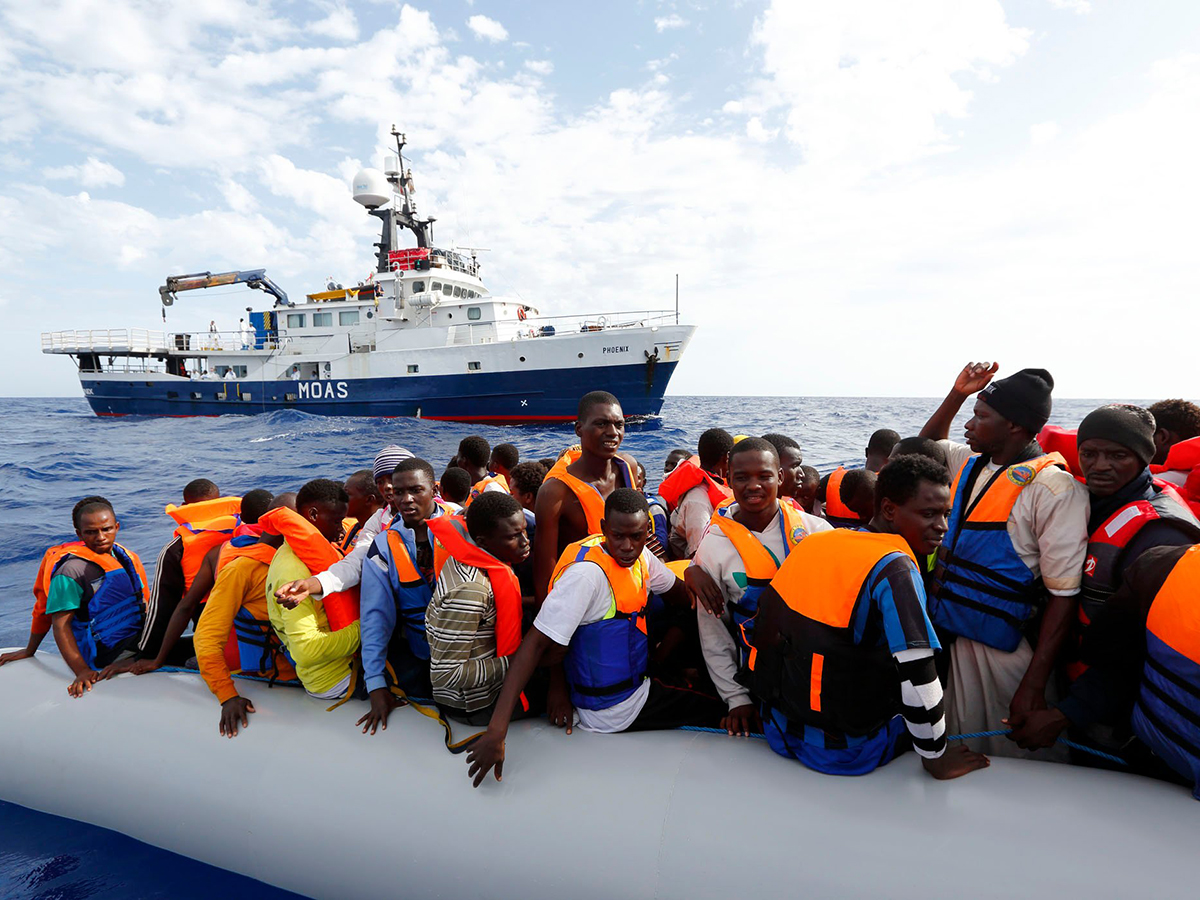
The Libyan Red Crescent announced on Monday that 36 migrants were rescued off the coast of Tobruk after emergency teams responded to reports of a vessel in distress in the Mediterranean Sea.
According to the humanitarian organization, rescue crews moved quickly to the scene following alerts about a migrant boat located off eastern Libya’s coastline near Tobruk.
The migrants were safely brought ashore and immediately received first aid, humanitarian assistance, and emergency support services.
Emergency Response Launched After Distress Report
The rescue operation began after authorities and humanitarian responders received information regarding a migrant vessel stranded at sea.
Teams from the Libyan Red Crescent coordinated emergency efforts aimed at preventing loss of life and stabilizing the condition of those onboard.
Initial support provided to the migrants included:
- Medical first aid
- Food and water assistance
- Emergency humanitarian care
- Psychological support
- Basic shelter assistance
The organization said the operation was conducted in cooperation with United Nations High Commissioner for Refugees as part of ongoing humanitarian coordination efforts in Libya.
Mediterranean Migration Crisis Continues
The latest rescue highlights the continuing risks faced by migrants attempting dangerous Mediterranean crossings from North Africa toward Europe.
Libya remains one of the primary transit points for migrants and refugees seeking to reach European shores through irregular sea routes.
Migrants often travel aboard overcrowded and poorly equipped vessels, exposing them to:
- Drowning risks
- Harsh weather conditions
- Dehydration
- Human trafficking
- Exploitation by smuggling networks
Humanitarian agencies have repeatedly warned that the central Mediterranean remains one of the world’s deadliest migration corridors.
Tobruk Remains Key Coastal Transit Area
Tobruk, located in eastern Libya along the Mediterranean coast, has increasingly become part of migration and rescue operations involving vessels traveling toward Europe.
Libya’s long coastline and ongoing political instability have contributed to the expansion of migrant smuggling routes over the past decade.
Rescue operations in the region are often carried out by:
- Humanitarian organizations
- Local authorities
- Coast guard units
- International agencies
These operations aim to reduce fatalities while providing emergency humanitarian support to vulnerable migrants.
UNHCR and Humanitarian Organizations Expand Support
The cooperation between the Libyan Red Crescent and United Nations High Commissioner for Refugees reflects broader international efforts to address humanitarian challenges linked to migration flows across North Africa.
UN agencies and humanitarian groups continue providing:
- Medical assistance
- Shelter support
- Protection services
- Food aid
- Refugee registration
- Emergency response coordination
Humanitarian workers operating in Libya face significant logistical and security challenges while responding to migration-related emergencies.
Growing Pressure on Mediterranean Rescue Operations
Migration across the Mediterranean has remained a major humanitarian and political issue for both North African and European countries.
Several factors continue driving migration attempts, including:
- Armed conflict
- Economic hardship
- Political instability
- Climate pressures
- Limited employment opportunities
International organizations have repeatedly called for stronger coordination to:
- Combat human smuggling
- Improve migrant protection
- Expand legal migration pathways
- Strengthen rescue operations
Humanitarian Concerns Remain High
Aid agencies continue emphasizing the urgent need for humanitarian protection measures for migrants rescued at sea.
Many migrants arriving in Libya or intercepted during crossings require immediate:
- Medical care
- Nutritional support
- Trauma assistance
- Legal protection
- Temporary shelter
The situation remains especially challenging for women, children, and vulnerable individuals traveling through irregular migration routes.
Libya’s Ongoing Migration Challenges
Libya has remained at the center of regional migration flows since the country’s political instability intensified over the past decade.
Its geographic location between sub-Saharan Africa and Europe has made it a major transit hub for migrants attempting Mediterranean crossings.
Despite increased rescue and monitoring efforts, dangerous sea journeys continue due to persistent demand from migrants seeking safer economic and living conditions abroad.
Humanitarian organizations warn that without broader international solutions, migration pressures across the Mediterranean are likely to continue.
Frequently Asked Questions
How many migrants were rescued off Tobruk?
The Libyan Red Crescent rescued 36 migrants from a boat off the coast of Tobruk.
Who conducted the rescue operation?
The rescue was carried out by the Libyan Red Crescent in cooperation with United Nations High Commissioner for Refugees.
What assistance was provided to the migrants?
Migrants received first aid, humanitarian support, food, water, and emergency care after being rescued.
Why is Libya a major migration route?
Libya’s Mediterranean coastline and geographic position make it a key transit point for migrants attempting to reach Europe.
What risks do migrants face during Mediterranean crossings?
Migrants face risks including drowning, trafficking, overcrowded vessels, dehydration, and harsh weather conditions.
Conclusion
The rescue of 36 migrants off the coast of Tobruk underscores the continuing humanitarian challenges unfolding across Mediterranean migration routes.
As migration pressures persist, organizations such as the Libyan Red Crescent and United Nations High Commissioner for Refugees remain critical in delivering emergency assistance and saving lives at sea.
The latest operation also highlights the broader regional and international need for coordinated humanitarian responses to one of the world’s most dangerous migration corridors.