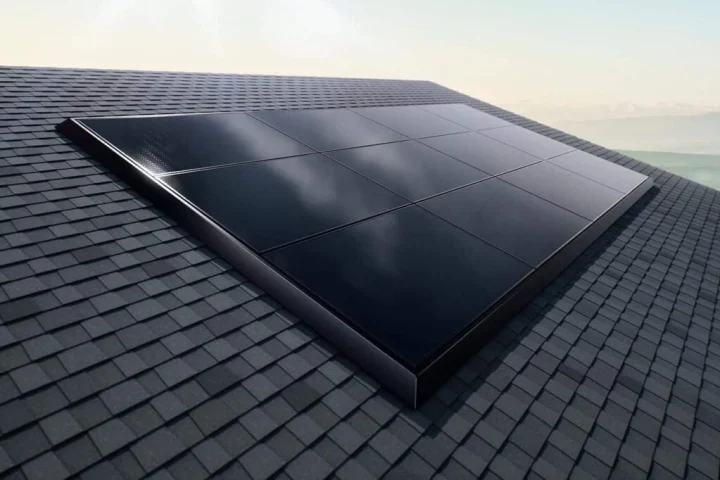
Choosing the best solar installers in Qatar starts with finding a company that can assess your property, explain the available options and provide a clearly documented installation proposal.
Solar projects differ considerably. A rooftop system for a commercial building, an off-grid installation for a remote property and a standalone solar lighting system require different designs and experience. A company that supplies panels may not provide engineering, installation, commissioning or ongoing maintenance.
For homeowners and businesses in Doha and across Qatar, the right starting point is a project assessment rather than a package price. The installer should understand your electricity use, inspect the proposed installation area and explain the assumptions behind any generation or savings estimate.
This guide covers ten important areas to assess when comparing solar installation companies, followed by practical advice on quotations, costs and after-sales support.
What Services Should a Solar Installer Provide?
Before comparing companies, establish whether you need a complete installation service or only specific equipment.
A full project proposal may cover a site survey, system design, equipment supply, installation, testing and handover. Applications, structural assessments and maintenance may be included or priced separately.
| Service | What to establish |
|---|---|
| Site assessment | Whether the location and available space are suitable |
| System design | How the proposed system addresses your needs |
| Equipment supply | Exact panel, inverter and other component models |
| Installation | Electrical work, mounting and associated building work |
| Approvals coordination | Which applications are required and who handles them |
| Commissioning | Testing, documentation and system handover |
| Monitoring | How performance information will be available |
| Maintenance | Inspection, cleaning and fault-response arrangements |
Do not assume that an equipment supplier provides every service in this table.
1. Relevant Solar Installation Experience
Look for experience that matches the project you intend to build. Residential rooftop work is not interchangeable with large commercial installations or remote off-grid systems.
Ask for examples showing what the company actually delivered. A portfolio should distinguish equipment supply from complete installation responsibility.
Details to request:
- Comparable completed projects.
- The company’s role in each project.
- Examples involving similar roofs or sites.
- References where available.
- The proposed project manager and installation team.
Photographs can demonstrate that equipment was installed, but they do not independently establish performance or after-sales service.
2. A Proper Site Survey
A useful solar proposal should be based on the actual site. Ask what the survey includes and whether additional assessments are required before the design can be finalised.
The installer should explain any limitations in its assessment rather than treating a preliminary estimate as a final design.
Details to clarify:
- Available installation area.
- Potential shading and obstructions.
- Roof condition and assessment responsibilities.
- Access for installation and maintenance.
- Proposed equipment locations and cable routes.
Where structural suitability needs professional assessment, identify who will arrange it and whether the cost is included.
3. System Sizing Based on Your Needs
The proposed system should have a clear purpose. You may want to reduce purchased electricity, supply a remote load or provide backup for selected equipment.
Those objectives can lead to different designs. Ask the installer to explain how it used your electricity consumption and operating patterns to develop the proposal.
Details to request:
- The information used to size the system.
- Proposed panel capacity and inverter capacity.
- Estimated generation and its assumptions.
- Expected interaction with your electricity demand.
- Limitations and options for future expansion.
Avoid comparing proposals by panel count alone. Panels differ, and the complete system design matters.
4. Clearly Identified Equipment
A quotation should name the proposed equipment. Descriptions such as “premium panels” or “high-efficiency inverter” are not enough for a meaningful comparison.
Ask for product documentation and confirmation that the quoted models will be supplied.
Details to request:
- Panel manufacturer and model.
- Inverter manufacturer and model.
- Mounting system information.
- Battery specifications, if applicable.
- Monitoring equipment and associated charges.
Establish how substitutions would be approved. Any change to the quoted equipment should be documented before installation.
5. Clear Handling of Qatar’s Approval Requirements
Before proceeding, obtain current information on the approvals and connection arrangements applicable to your project. Requirements may differ according to the property and system configuration.
Do not base a purchase on an assumed entitlement to export electricity or receive credits.
Questions to ask:
- Which approvals apply to this installation?
- Who confirms the current requirements?
- Who prepares and submits any applications?
- Which fees are included?
- What happens if the proposed connection is not approved?
Ask for the applicable requirements and commercial arrangements to be documented before relying on them in a savings calculation.
6. A Defined Installation Scope
The installation quotation should make responsibility clear. Equipment supply, mounting, electrical work and associated building work should not be left as implied inclusions.
Ask how the contractor will manage access and protect the property during the work.
Details to confirm:
- Mounting and electrical installation responsibilities.
- Any roof penetrations and associated waterproofing work.
- Equipment lifting and access arrangements.
- Coordination with other contractors.
- Cleanup and reinstatement.
Where subcontractors are involved, establish who remains responsible for the completed installation.
7. An Explained Battery and Backup Proposal
If you want backup power, say so explicitly. Do not assume that every solar installation will provide electricity during a supply interruption.
Ask the installer to describe the proposed backup function and the equipment it is intended to support.
Details to confirm:
- Which loads would receive backup power.
- Battery capacity and usable capacity.
- Assumptions behind estimated backup duration.
- Installation location and applicable product requirements.
- Battery warranty and replacement arrangements.
A proposal should distinguish the benefits of solar generation from those of storage and backup equipment.
8. Testing, Commissioning and Handover
Installation should end with a documented handover. Ask what testing will be performed, who will perform it and which records you will receive.
The owner or facilities team should understand normal operation and how to report a problem.
Handover items to request:
- Relevant test and commissioning records.
- Final system drawings.
- Equipment documentation.
- Warranty records and serial numbers.
- Monitoring access and operating instructions.
Confirm that you will receive the necessary account access rather than depending indefinitely on an installer-controlled login.
9. Clear Warranty Responsibilities
Solar proposals may contain several warranties covering different things. Equipment warranties, performance commitments and installation workmanship terms should be explained separately.
A long warranty period alone does not establish how a fault will be resolved.
Questions to ask:
- Who handles the claim?
- Is labour covered?
- Are removal, transport and reinstallation included?
- What exclusions apply?
- What support is available if a component is discontinued?
Request the written terms before signing, including any maintenance conditions that affect coverage.
10. Maintenance and After-Sales Support
Discuss ongoing care before appointing the installer. Establish what the system requires, what the owner can monitor and which activities need an appropriate service provider.
Ask the company to explain its maintenance recommendations for the proposed equipment and site.
Details to confirm:
- Inspection and cleaning arrangements.
- Manufacturer-approved maintenance practices.
- Monitoring and fault notifications.
- Response procedures and service charges.
- Availability of replacement components.
A maintenance agreement should specify actual services and exclusions rather than simply promise “complete support.”
How Much Does Solar Installation Cost in Qatar?
A reliable price requires a defined system and site assessment. Without those details, a general installation figure can be misleading.
The total may include panels, inverters, mounting equipment, electrical work, access equipment, assessments, approvals and commissioning. Batteries and associated backup equipment can form a separate part of the proposal.
| Cost factor | What to compare |
|---|---|
| System capacity | Panel capacity, inverter capacity and design assumptions |
| Equipment | Exact models and warranty terms |
| Site conditions | Access, roof condition and installation complexity |
| Electrical scope | Included work and any required modifications |
| Storage | Battery capacity and backup functionality |
| Applications | Responsibilities and separately charged fees |
| Monitoring | Hardware, subscriptions and account access |
| Maintenance | Included support and recurring charges |
Request itemised quotations using the same project brief. If one company proposes a different design, ask it to explain the practical differences.
How to Assess Solar Savings Estimates
Treat a savings forecast as a calculation with assumptions, not a guaranteed result.
Ask the installer to show the electricity price used, estimated generation, expected on-site consumption and any assumptions about exported electricity. Maintenance, financing and future equipment costs should also be identified where they affect the financial comparison.
A useful proposal explains both the expected outcome and the factors that could change it. Be cautious about a precise payback promise that is unsupported by a documented calculation.
Questions to Ask Before Signing a Solar Contract
- What exactly is included in the price?
- Is the proposal preliminary or based on a completed survey?
- Which equipment models will be installed?
- Who handles assessments and approvals?
- What assumptions support the generation forecast?
- Does the system provide backup power?
- Who carries out the installation?
- What documents will I receive at handover?
- How are faults and warranty claims handled?
- Which future costs are excluded?
Include important answers in the contract or its supporting documents.
read Also: The 10 Best Solar Installers in the UAE
Frequently Asked Questions
How do I choose the best solar installer in Qatar?
Compare relevant project experience, survey quality, system design, equipment specifications and after-sales support. Obtain written proposals based on the same requirements.
Can a solar panel supplier also install the system?
Possibly, but confirm this directly. Equipment sales do not automatically include design, installation, approvals or commissioning.
Do I need batteries?
That depends on your objectives and system design. Ask for a clear explanation of what batteries would add, including backup functionality, cost and maintenance implications.
Can I sell excess solar electricity?
Confirm the current arrangements applicable to your specific project with the relevant electricity authority and proposed installer. Do not assume export compensation is available.
How long does installation take?
Ask for a schedule separating surveys, design, approvals, equipment delivery, installation and commissioning. The on-site work is only one part of the overall programme.
What should I receive when the project is complete?
Request the agreed commissioning records, drawings, product information, warranty documents, monitoring access and operating instructions.
The best solar installers in Qatar for your project will be those that explain their design, document their responsibilities and provide support after handover. A complete proposal gives you a stronger basis for choosing than an attractive package price or an unsupported savings promise.
Read Also: The Best Masonry Contractors in Qatar