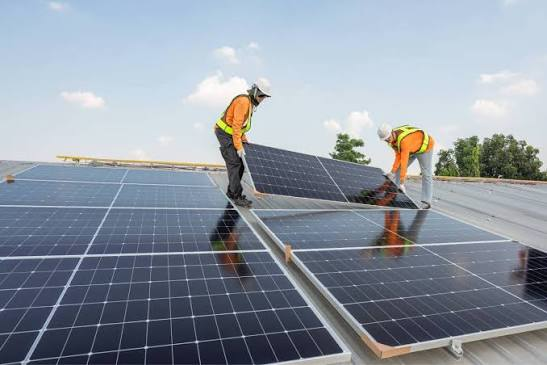
Finding the best solar panel suppliers in Qatar requires more than comparing panel wattage and prices. Buyers need to know exactly what equipment they are purchasing, who supports the warranty and whether the products suit the proposed system.
A supplier may sell individual photovoltaic modules, complete equipment packages or products for a specific application, such as standalone lighting. Some businesses also arrange installation, while others provide equipment only.
For homeowners, commercial property owners and procurement teams, the strongest purchasing decision starts with a defined specification. A detailed written quotation makes it easier to compare offers and reduces the likelihood of buying equipment that does not match the project.
This guide explains ten important checks when assessing solar panel suppliers in Qatar, alongside practical advice on pricing, delivery and after-sales support.
Also Read : 10 Best Solar Panel Suppliers in the UAE
Solar Panel Suppliers and Installers: What Is the Difference?
A solar panel supplier sells equipment. An installer takes responsibility for the installation work agreed in its contract. A business may provide both services, but buyers should confirm the scope rather than assume a complete system is included.
| Provider type | What to establish before purchasing |
|---|---|
| Panel manufacturer | Whether it sells directly and supports the intended market |
| Distributor | Product availability, distribution status and warranty arrangements |
| Equipment retailer | Exact models, documentation and return conditions |
| System supplier | Which components and design services are included |
| Installation company | Whether equipment supply, installation and commissioning are covered |
If you need a working solar system, a panel-only quotation is only one part of the overall purchase.
1. Verify the Supplier’s Business Identity
Start by establishing which company will issue the quotation, receive payment and provide support.
The trading name on an advertisement may not be the same as the legal entity on the invoice. Clarify this before paying a deposit, particularly when several businesses are involved in sourcing and delivery.
Details to request:
- Full business name and relevant registration information.
- Business address and contact details.
- The entity issuing the invoice.
- A named sales or project contact.
- Written payment and delivery terms.
Keep the quotation, order confirmation and invoice together so that the purchase remains traceable.
2. Ask for Exact Panel Models
A description such as “high-efficiency solar panel” is not enough to compare products.
Request the manufacturer, complete model number and corresponding datasheet. Confirm that the documentation describes the exact product being offered rather than a similar model from the same brand.
Details to compare:
- Rated power.
- Panel dimensions and weight.
- Electrical specifications.
- Manufacturer-stated operating characteristics.
- Product and performance warranty terms.
Do not accept an unspecified substitution. Any alternative model should be reviewed before you approve the change.
3. Check the Supplier’s Relationship With the Manufacturer
If a supplier describes itself as an authorised distributor, ask how that claim can be confirmed.
Also establish whether the manufacturer’s warranty applies to the product supplied and the market where it will be installed. A genuine product and a straightforward local warranty process are separate purchasing considerations.
Questions to ask:
- Can the distribution relationship be verified?
- Who handles warranty claims?
- Which documents are required?
- Are product serial numbers recorded on delivery?
- What happens if the supplier stops trading?
A clear answer is more useful than a general promise of “manufacturer support.”
4. Confirm Compatibility Before Ordering
The panel should be assessed as part of the proposed system. Selecting modules solely because they have a higher advertised wattage can overlook other design requirements.
Ask the responsible designer or installer to approve the proposed equipment before purchase.
Details to clarify:
- Compatibility with the selected inverter.
- Suitability for the mounting arrangement.
- Available installation space.
- Relevant electrical design requirements.
- Any project-specific specifications.
If you are purchasing replacement panels, explain that explicitly. Matching an existing installation may require more than choosing the same nominal power rating.
5. Distinguish Available Stock From Special Orders
A listed product may be held locally, available from a regional warehouse or ordered from the manufacturer after payment.
Ask the supplier to state the stock position and expected delivery arrangement in writing.
Details to confirm:
- Quantity available.
- Stock location.
- Expected dispatch and delivery dates.
- Whether the order depends on import arrangements.
- What happens if delivery is delayed.
For projects with a fixed installation programme, discuss delivery risk before committing to equipment or labour bookings.
6. Compare Complete Supply Prices
A headline panel price may exclude delivery, unloading, accessories or other costs. Ask for an itemised quotation showing exactly what the order contains.
| Quotation item | What should be clear |
|---|---|
| Panels | Model, quantity and unit price |
| Accessories | Included components and quantities |
| Transport | Delivery location and charges |
| Unloading | Who provides equipment and labour |
| Documentation | Datasheets, warranty records and other agreed documents |
| Payment | Deposit, balance and payment milestones |
| Validity | How long the price remains available |
Compare the same scope across suppliers. A lower panel price does not necessarily mean a lower total procurement cost.
7. Read Both Product and Performance Warranties
Product warranties and performance warranties address different aspects of a purchase. Ask the supplier to provide the actual terms and explain how claims are managed.
Do not treat a long performance warranty as a promise that every associated expense will be covered.
Details to establish:
- The organisation responsible for the warranty.
- Coverage and exclusions.
- Required proof of purchase.
- Inspection or testing requirements.
- Responsibility for transport, removal and reinstallation costs.
Keep copies of warranty documents and serial-number records after delivery.
8. Agree on Delivery Inspection and Damage Procedures
Solar equipment should arrive with an agreed inspection and acceptance process.
Ask how you should report visible damage, missing items or a mismatch between the delivered products and the order. Establish reporting deadlines before delivery rather than after a problem occurs.
Details to confirm:
- Packaging and delivery arrangements.
- Inspection responsibilities.
- Recording of model and serial numbers.
- Procedures for damaged or incorrect goods.
- Replacement and return conditions.
For a large order, identify the person authorised to receive and inspect the shipment.
9. Assess Technical and After-Sales Support
A useful supplier should be able to provide accurate product documentation and explain the limits of its support.
Some sellers answer equipment questions but do not provide system design. Others may coordinate with installers or offer a separate engineering service.
Questions to ask:
- What technical support is included?
- Who answers questions after delivery?
- Is system design offered separately?
- How are product issues escalated?
- Can replacement equipment be sourced later?
Make sure the proposal distinguishes sales assistance from responsibility for the complete system.
10. Confirm Whether Installation Is Included
Before purchasing a package advertised as a “solar solution,” request a list of included equipment and services.
Panels, inverters, batteries, mounting components and installation labour should be identified separately. Approvals, testing and commissioning should also be addressed where applicable.
Details to confirm:
- Equipment included.
- Design responsibilities.
- Installation scope.
- Any required application or approval responsibilities.
- Testing and handover documents.
Do not rely on assumptions about Qatar’s current connection or export arrangements. Confirm the requirements applicable to the specific project before using them in a purchasing decision.
What Affects Solar Panel Prices in Qatar?
The total purchase price depends on the product, quantity and supply arrangements.
Factors can include the manufacturer and model, order size, availability, delivery requirements and warranty support. A complete system also involves costs beyond the panels themselves.
For a realistic comparison, obtain written quotations against the same approved specification. If a supplier proposes a different product, ask for the differences to be identified clearly.
Avoid treating an unsupported online price as a current local offer. Confirm availability, inclusions and quotation validity directly with the seller.
Buying Solar Panels for Homes and Businesses
Residential Projects
Homeowners should coordinate with the proposed installer before purchasing panels independently. Confirm the design, available installation space and complete project scope first.
A low equipment price offers limited value if the purchase creates additional installation or compatibility work.
Commercial Projects
Business buyers should provide suppliers with a clear procurement brief covering quantities, specifications, delivery milestones and documentation.
Where several quotations are being evaluated, use a comparison sheet that records both commercial terms and technical differences.
Replacement and Expansion Projects
Tell the supplier whether the order is intended for a new system, a repair or an expansion. Have the proposed equipment reviewed by the responsible system professional before approving it.
Frequently Asked Questions
How do I choose the best solar panel supplier in Qatar?
Compare exact products, business identity, delivery terms, warranty arrangements and technical support. Confirm that the proposed panels have been approved for your intended system.
Can I buy panels without buying installation?
You may be able to purchase equipment separately, but confirm who will design, install and commission the system before ordering.
Should I choose the panel with the highest wattage?
Wattage alone does not establish suitability. Dimensions, electrical characteristics, system compatibility and project requirements also need consideration.
Are batteries included with solar panels?
Not automatically. Batteries and associated equipment should appear as separate, clearly specified items in the quotation.
What documents should I keep?
Retain the quotation, invoice, delivery records, model and serial-number information, datasheets and warranty terms.
Can a supplier guarantee electricity savings?
Any savings estimate should explain its assumptions and the complete system design. A panel supply quotation alone is not enough to establish how the finished system will perform financially.
The best solar panel suppliers in Qatar for a particular project will be those that provide suitable equipment, transparent terms and a clear support process. Begin with an approved specification, compare complete quotations and document the purchase before making payment.
Also Read: The Best Concrete Contractors in Qatar