The Qatar Rulers Timeline reflects the remarkable transformation of Qatar from a small tribal and pearling society into one of the world’s wealthiest and most influential modern states. Over nearly two centuries, the rulers of the Qatar have overseen political unification, oil discovery, natural gas expansion, modernization, diplomatic growth, and major global achievements that reshaped the country’s place on the international stage.
The leadership of the Al Thani family has played a central role in shaping modern Qatar. From Sheikh Mohammed Bin Thani’s early tribal unification efforts in the 19th century to the global influence of the current Amir, Sheikh Tamim bin Hamad Al Thani, Qatar’s rulers have guided the country through major historical transitions including Ottoman influence, British protection treaties, independence, oil wealth, LNG expansion, and international diplomacy.
Today, Qatar stands as one of the world’s richest countries per capita and a major diplomatic, financial, and energy power in the Middle East.
Origins of the Al Thani Family in Qatar
The roots of Qatar’s ruling family trace back to the Najd region of the Arabian Peninsula.
Historical records indicate that the early ancestors of the Al Thani family migrated from the “Eshaiger” area in Al Washm, Najd, before eventually settling in various parts of Qatar including Yibreen, Askuk, Ruwais, Fuwairit, and Zubarah.
The family later established itself in Doha, laying the foundations for the modern Qatari state.
During the 18th century, many tribes migrated into Qatar due to the economic importance of the country’s seaports and flourishing pearl trade. Over time, the Al Thani family emerged as the leading unifying force among the tribes.
This unification became one of the most important developments in Qatar’s history because it helped establish political stability and strengthen the country’s independence from neighboring powers.
Sheikh Mohammed Bin Thani (1851–1878)

Sheikh Mohammed Bin Thani is recognized as the first ruler of Qatar and one of the most important early figures in the country’s political history.
Born around 1776 in Fuweirat in northeastern Qatar, Sheikh Mohammed became chief of his tribe in 1839 before relocating to Doha in 1848.
Unification of the Qatari Tribes
One of Sheikh Mohammed’s greatest achievements was unifying Qatar’s tribes under a single banner. This helped establish the early identity of Qatar as a politically organized territory rather than a collection of disconnected tribal settlements.
British Recognition of Qatar
A major milestone occurred on September 12, 1868, when Sheikh Mohammed signed an agreement with British Political Resident Colonel Lewis Pelly.
This agreement became the first international recognition of Qatar’s sovereignty under local leadership.
Regional Influence
Sheikh Mohammed also strengthened alliances with regional powers, including Imam Faisal Bin Turki of the Second Saudi State.
His leadership helped establish the political foundations of modern Qatar before his death on December 18, 1878.
Sheikh Jassim Bin Mohammed Al Thani (1878–1913)
Sheikh Jassim Bin Mohammed Al Thani is widely regarded as the founder of the modern State of Qatar.
Born around 1827 in Fuweirat, Sheikh Jassim succeeded his father and expanded Qatar’s political influence significantly.
Economic and Urban Development
During his leadership:
- Ports and shipbuilding expanded
- The pearl trade flourished
- Urbanization increased
- Quranic schools were established
- Population growth accelerated
Qatar became one of the Gulf region’s most important pearling economies during this period.
The Battle of Al Wajbah
One of the defining moments of Sheikh Jassim’s rule was the Battle of Al Wajbah in 1893.
The conflict strengthened Qatar’s autonomy and established Sheikh Jassim as a major regional leader resisting Ottoman interference.
National Day Legacy
The date Sheikh Jassim assumed leadership, December 18, 1878, is now celebrated annually as Qatar National Day.
His influence remains deeply embedded within Qatari national identity.
Sheikh Abdullah Bin Jassim Al Thani (1913–1949)
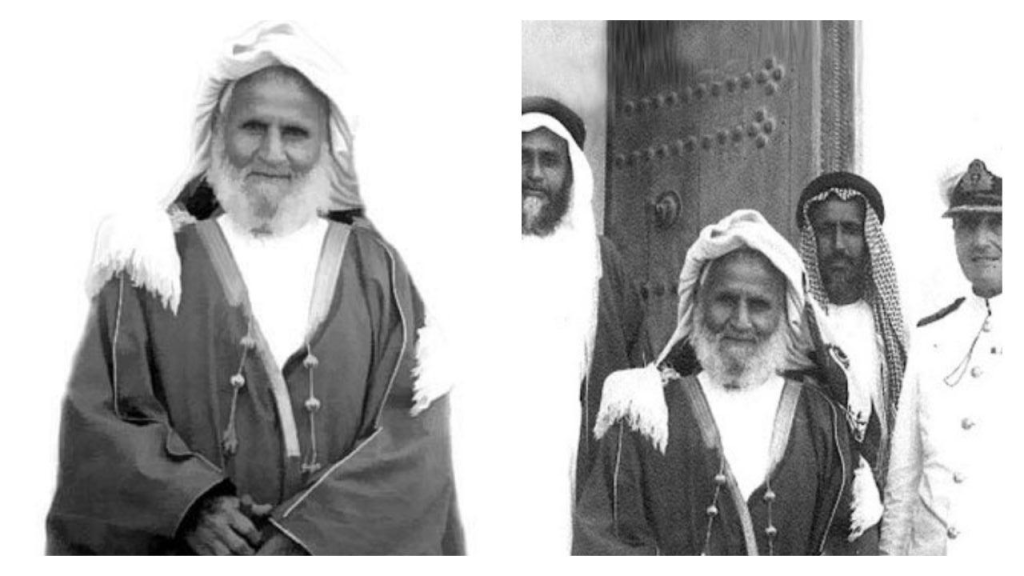
Sheikh Abdullah Bin Jassim Al Thani ruled Qatar during a critical transitional period involving Ottoman withdrawal, British treaties, and the early oil era.
Anglo-Qatari Treaty
On November 3, 1916, Sheikh Abdullah signed the Anglo-Qatari Treaty with Britain.
Under the treaty:
- Britain agreed to protect Qatar
- Qatar restricted foreign relations without British approval
This formally placed Qatar under British protection while maintaining internal autonomy.
Oil Discovery Era
One of the most important developments during Sheikh Abdullah’s rule was the signing of Qatar’s first oil concession agreements.
Key milestones included:
- First oil concession agreement in 1935
- Drilling of Qatar’s first oil well in 1938
- Oil discovery in Dukhan in 1940
These developments transformed Qatar’s long-term economic future.
Regional Recognition
Britain recognized Sheikh Abdullah as one of the Gulf’s leading rulers, awarding him the Order of the Indian Empire.
Sheikh Ali Bin Abdullah Al Thani (1949–1960)
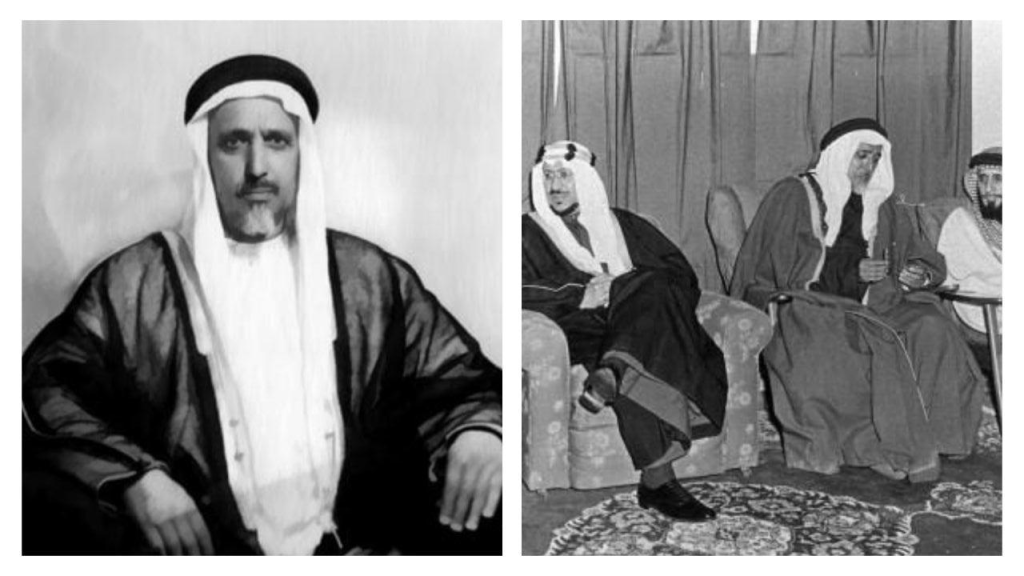
Sheikh Ali Bin Abdullah Al Thani oversaw the beginning of Qatar’s oil export era and modernization programs.
First Oil Export
On December 29, 1949, Qatar exported its first shipment of onshore oil from Mesaieed.
This event fundamentally changed Qatar’s economy and government revenues.
Infrastructure Development
Major infrastructure projects during his reign included:
- Rumailah Hospital
- Water desalination stations
- Electricity generation stations
- National Library
- Clock Tower
- Airport development
- Water networks
These projects improved living standards dramatically.
Oil Revenue Agreements
Sheikh Ali negotiated agreements with foreign oil companies that allowed Qatar to receive 50% of oil export profits, strengthening national revenues.
Sheikh Ahmad Bin Ali Al Thani (1960–1972)
Sheikh Ahmad Bin Ali Al Thani became the first ruler to officially hold the title of Amir.
Oil Expansion
Major offshore oil discoveries occurred during his reign, including:
- Idd Al-Sharqi field
- Maydan Mahzam field
These discoveries increased Qatar’s economic importance significantly.
Government Development
Under his leadership:
- The Ministry of Finance was established
- The Department of Civil Service was created
- The Council of Ministers was formed
- Qatar declared independence in 1971
Independence of Qatar
On September 3, 1971, Qatar formally declared independence from Britain.
This marked the birth of the independent modern State of Qatar.
Sheikh Khalifa Bin Hamad Al Thani (1972–1995)
Sheikh Khalifa Bin Hamad Al Thani became Amir in 1972 and led Qatar during major governmental and educational reforms.
Establishment of Qatar University
One of his most important achievements was founding Qatar University in 1973.
Education Expansion
His government established many new schools and strengthened public education systems.
North Field Gas Development
Perhaps the most economically significant development was the start of production from Qatar’s North Field gas reserves in 1991.
The North Field later became the foundation of Qatar’s LNG dominance.
Government Modernization
Sheikh Khalifa expanded government institutions and strengthened Qatar’s diplomatic relationships globally.
Sheikh Hamad bin Khalifa Al Thani (1995–2013)
H.H. The Father Amir Sheikh Hamad bin Khalifa Al Thani is widely credited as the architect of modern Qatar.
His leadership transformed Qatar into a global energy, diplomatic, media, and investment powerhouse.
LNG Revolution
One of the defining achievements of his reign was the rapid expansion of LNG production from the North Field.
Qatar became:
- The world’s largest LNG exporter
- One of the richest countries globally per capita
Launch of Al Jazeera
The launch of Al Jazeera in 1996 revolutionized Arabic-language media and dramatically increased Qatar’s international influence.
Constitutional Reforms
Major reforms included:
- Permanent constitution
- Municipal elections
- Women’s voting rights
- Greater media openness
Qatar Foundation
The establishment of Qatar Foundation helped transform education and research in Qatar.
FIFA World Cup Achievement
In 2010, Qatar won hosting rights for the 2022 FIFA World Cup, becoming the first Arab nation to host the tournament.
Sheikh Tamim bin Hamad Al Thani (2013–Present)
Sheikh Tamim bin Hamad Al Thani became Amir on June 25, 2013.
Born in Doha in 1980, he studied at Sherborne School in the United Kingdom and later graduated from the Royal Military Academy Sandhurst.
Qatar National Vision 2030
Before becoming Amir, Sheikh Tamim played a major role in developing Qatar National Vision 2030.
The vision focuses on:
- Human development
- Economic diversification
- Environmental sustainability
- Social development
National Sports Day
He strongly promoted sports and public health initiatives including Qatar National Sports Day.
Diplomatic Influence
Under Sheikh Tamim:
- Qatar strengthened its mediation role
- Doha hosted international peace negotiations
- Qatar expanded global investments
- Humanitarian initiatives increased
FIFA World Cup 2022
One of the most significant milestones during his rule was hosting the 2022 FIFA World Cup, which placed Qatar at the center of global attention.
Economic and Global Rankings
During his reign, Qatar has ranked highly in:
- GDP per capita
- Human development
- Higher education quality
- Global peace indexes
The Transformation of Qatar Through Its Rulers
The Qatar Rulers Timeline demonstrates how leadership continuity under the Al Thani family shaped Qatar’s rise from a pearling society into a major modern state.
Key phases included:
Tribal Unification Era
- Sheikh Mohammed Bin Thani
- Sheikh Jassim Bin Mohammed
British Protection and Oil Discovery
- Sheikh Abdullah Bin Jassim
- Sheikh Ali Bin Abdullah
Independence and State Building
- Sheikh Ahmad Bin Ali
- Sheikh Khalifa Bin Hamad
Modernization and Global Expansion
- Sheikh Hamad Bin Khalifa
- Sheikh Tamim Bin Hamad
Each ruler contributed to building the political, economic, educational, and diplomatic systems that define Qatar today.
Conclusion
The Qatar Rulers Timeline is deeply connected to the country’s transformation into one of the most influential states in the Gulf region. Across generations, the Al Thani rulers guided Qatar through tribal consolidation, oil discovery, LNG expansion, educational modernization, constitutional reform, and global diplomacy.
Today, Qatar’s rapid development, international visibility, and economic strength reflect decades of strategic leadership and long-term planning under the country’s ruling family.
From Sheikh Mohammed Bin Thani’s tribal alliances to Sheikh Tamim’s modern global leadership, the story of Qatar’s rulers remains central to understanding the nation’s history and future direction.
Disclaimer
Historical interpretations and timelines may vary across sources. Readers are encouraged to consult official historical references and government archives for additional details about Qatar’s history and rulers.
Read Also: Sheikh Abdulrahman bin Hamad bin Jassim bin Hamad Al Thani