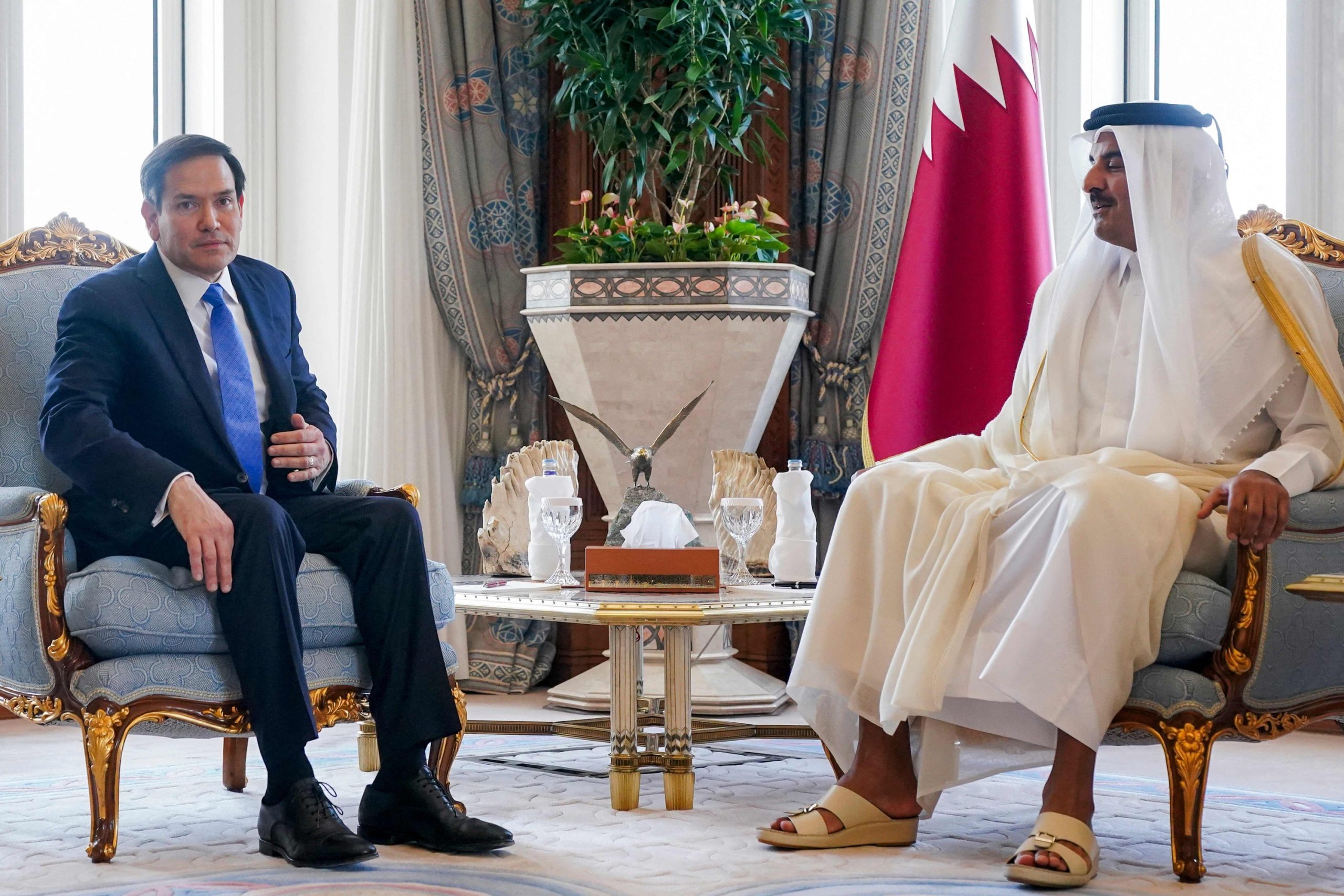
On October 1, 2025, U.S. President Donald Trump signed an executive order which promises to defend Qatar should any external forces attack its territory, sovereignty, or key infrastructure. The move follows a controversial Israeli airstrike in Doha on September 9 targeting Hamas leaders, an operation that resulted in six deaths including one Qatari security official.
Under this order, the U.S. positions such aggression against Qatar as a threat to American peace and security. It suggests that Washington may respond through diplomatic, economic, or potentially military means. While this security guarantee is significant, analysts caution that it does not amount to a mutual defense treaty under law, which would require Senate ratification. Nonetheless, it marks a rare escalation in U.S. commitments to a partner in the Middle East.
Qatar has welcomed this assurance, viewing it as a reinforcement of its strategic importance and as validation of its role as a mediator in the region. Doha had already been deeply involved in diplomatic initiatives aimed at ending the war in Gaza and working on ceasefire terms.
The U.S. guarantee comes amid heightened tensions in the Gulf, and signals a recalibration of alliances. Criticism has emerged around the sudden nature of the order, and whether promises without formal mutual defense treaties can provide meaningful deterrence. Still, the move underscores Qatar’s critical place in U.S. Middle East policy, especially with its hosting of U.S. forces and its frequent role in mediating conflicts.
In sum: the guarantee shifts geopolitical expectations. For Qatar, it adds a layer of formal reassurance. For the region, it raises both promise and question about what such guarantees truly mean in practice.