Qatar’s non-energy (non-hydrocarbon) private sector sustained growth in September 2025, as business conditions improved across output, employment, and inventories, according to the latest Purchasing Managers’ Index (PMI) data. The headline PMI slipped slightly to 51.5 (from 51.9 in August), but it stayed within the expansionary zone (> 50), reflecting resilience in non-energy activity.
Over Q3 as a whole, the PMI averaged 51.6, a stronger performance than the first half of the year (averaging ~51.1–51.2). This suggests that non-oil sectors are gaining momentum. Firms cited stronger sales, marketing efforts, and competitive pricing as drivers behind increased orders.
However, while output and inventories expanded, hiring cooled somewhat. Firms expressed reluctance to commit to large headcount growth amid cost pressures, even as workloads rose. The buildup of backlog orders persisted, marking the 12th consecutive month of elevated outstanding business.
Wage growth remained strong, and firms faced inflationary pressures on inputs. Although new orders softened a bit, business confidence remained broadly positive. Many firms pointed to optimism about real estate demand, a rising expatriate population, and ongoing infrastructure projects.
The non-energy sector’s steadiness underscores the success of Qatar’s policies to diversify away from hydrocarbon reliance. With non-hydrocarbons now constituting a majority share of GDP, sustained growth in services, trade, construction, and logistics is vital to the economy’s stability.
Yet, challenges remain. The moderation in hiring signals caution among business leaders regarding wage inflation, global uncertainties, and input cost volatility. Some firms may delay investment until further clarity emerges.
Looking ahead, the trajectory of non-oil growth will hinge on several factors:
- Investment incentives & regulatory reform — schemes like Invest Qatar’s USD 1 billion plan could catalyze new activity in technology, logistics, and advanced sectors.
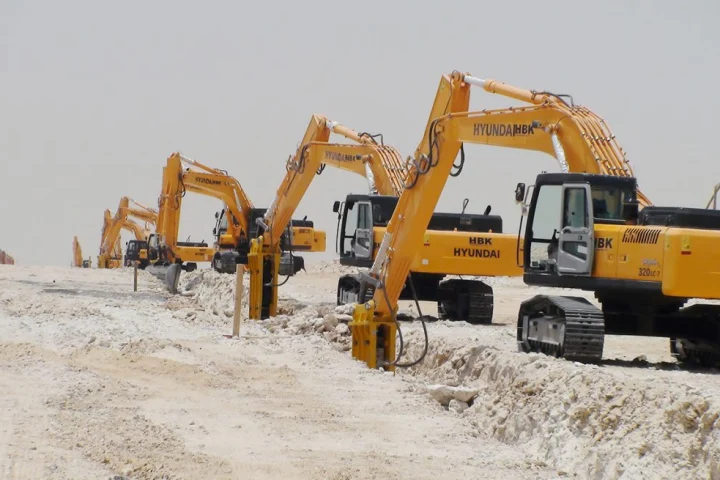
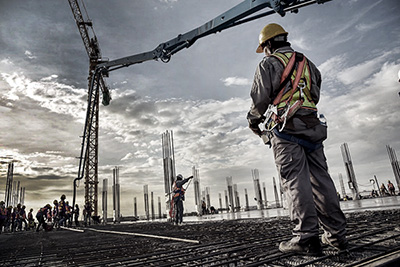
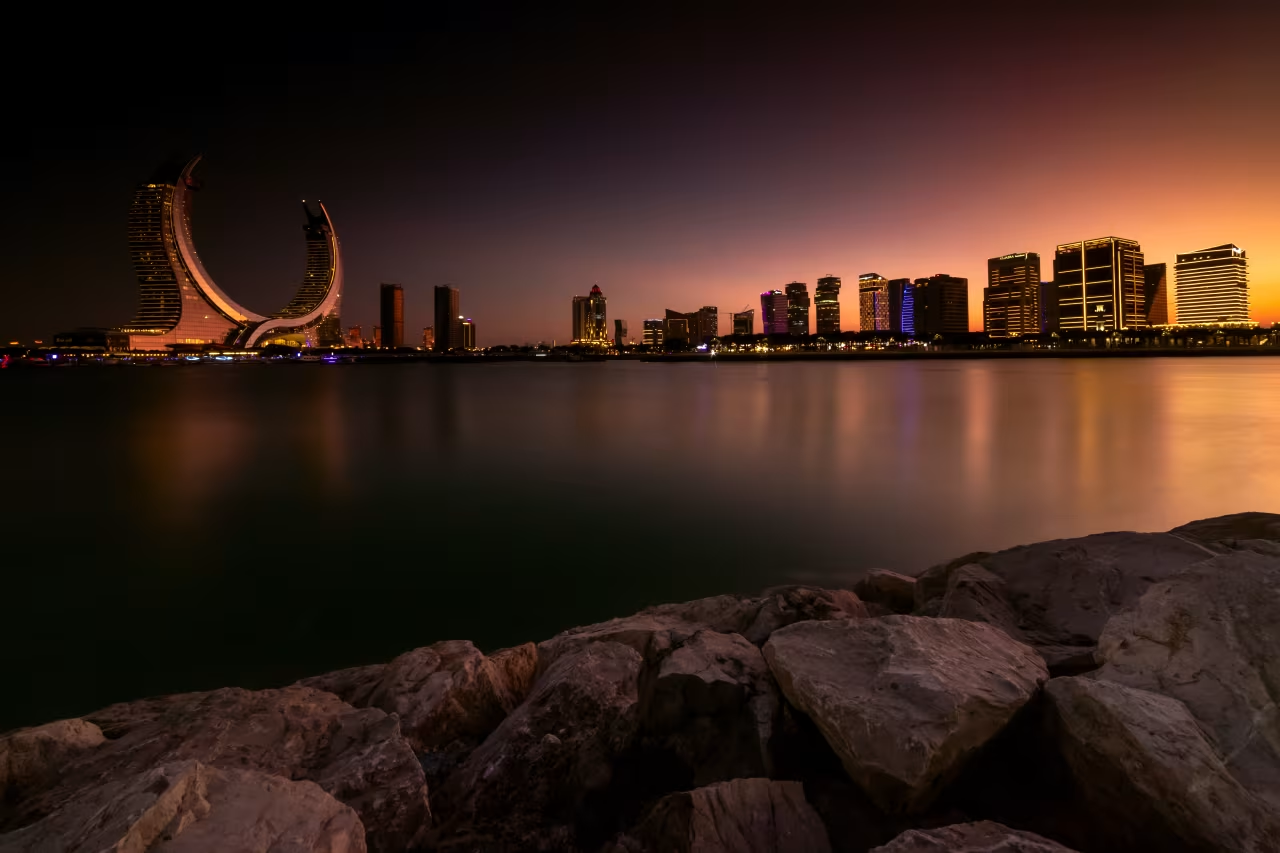
- Infrastructure & urban expansion — major projects (transport, real estate, smart city development) will continue to generate demand in construction and services.
- Private sector capacity & efficiency — firms must improve productivity, adopt digitalization, and manage operating costs to sustain margins.
- External headwinds — global inflation, supply chain disruptions, and energy market fluctuations may ripple through input prices and demand.
On the macro front, Qatar’s overall GDP grew by 1.9 % in Q2 2025, with a 3.4 % expansion in non-hydrocarbon sectors credited for much of the strength. The IMF and planners expect non-energy growth to exceed 4 % in 2025, bolstering the broader outlook.
In summary, Qatar’s non-energy private sector is maintaining solid momentum, as reflected by PMI readings above expansion thresholds. While hiring growth has moderated, firms remain cautiously optimistic. If momentum in infrastructure, investment incentives, and regulatory reforms continues, the non-oil engine can help anchor Qatar’s economic transformation into a more resilient, diversified model.