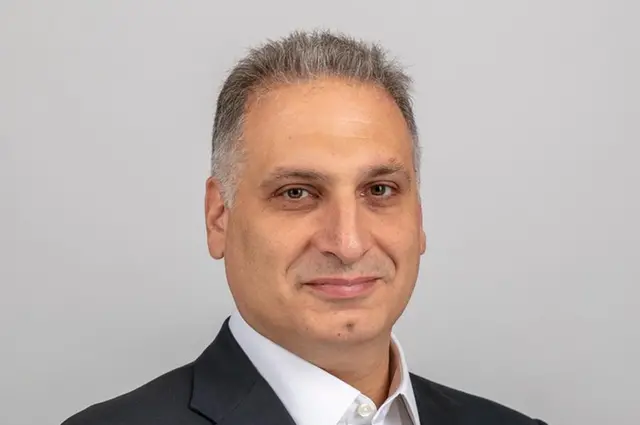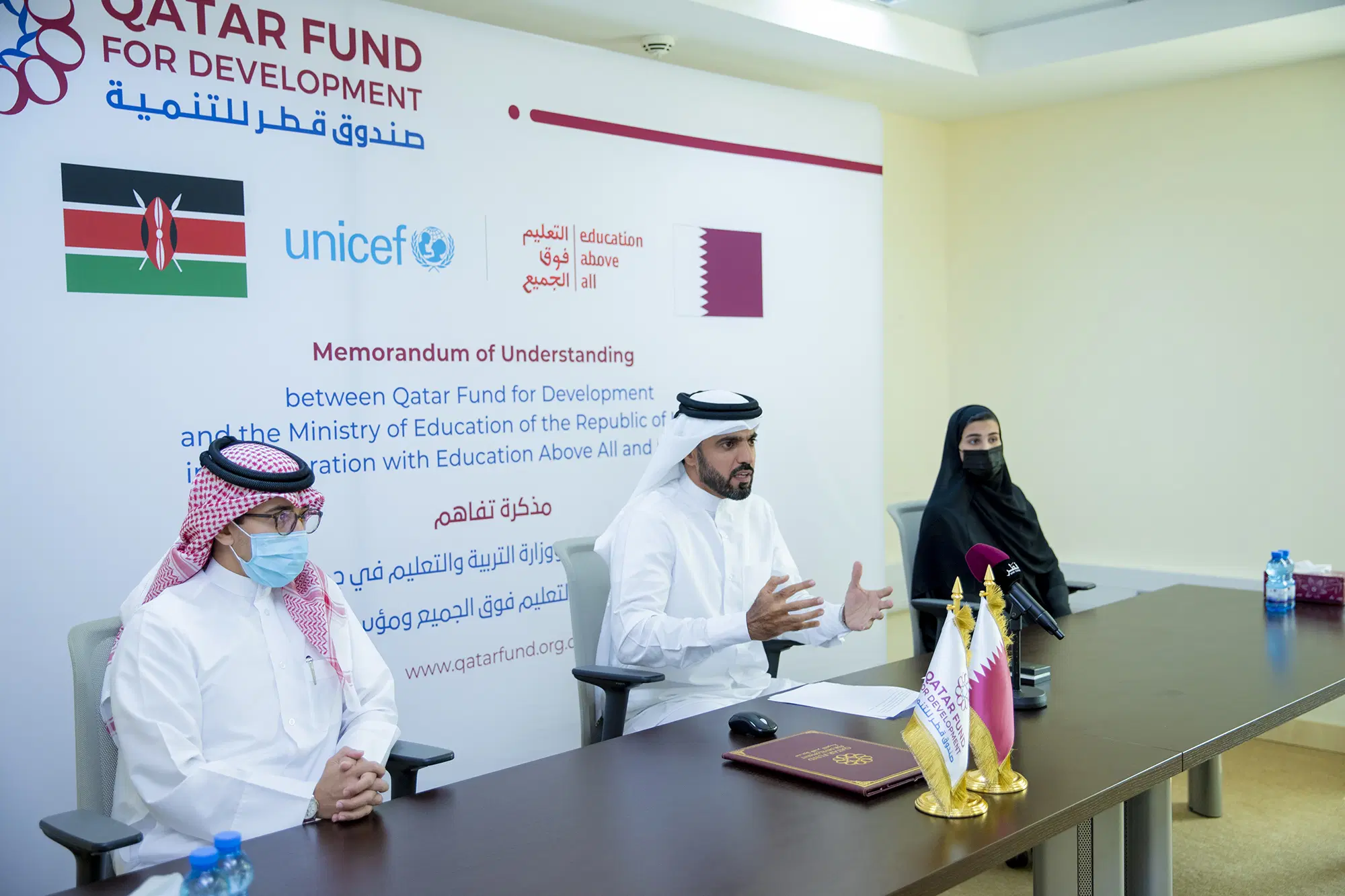
Qatar Fund for Development Education Efforts continue to widen as the organisation deepens its presence in global education, especially in conflict-affected and low-income regions. According to QFFD’s Global Advocacy Coordinator Oweis Al-Salahi, the Fund’s work spans several continents, reflecting its growing influence in international development. Although the organisation has not announced a fixed number of countries, Al-Salahi said QFFD’s global map highlights extensive activity in places such as Syria, Palestine, Afghanistan, and multiple African nations.
Al-Salahi, who plays a central role in elevating Qatar’s global development leadership, explained that his work focuses on ensuring QFFD’s position in shaping global agendas related to education, health, and resilience. He noted that prioritising partnerships and engaging in global policy discussions helps strengthen programs that directly benefit communities facing war, poverty, and displacement.
Expanding QFFD’s Reach in Fragile Education Systems
Speaking about the outcomes of the Fund’s education initiatives, Al-Salahi said QFFD views its contributions as essential to advancing global dialogue around education in crisis contexts. He highlighted that innovative financing approaches—such as blended finance and results-based instruments—are helping reduce long-standing funding gaps in fragile education systems. These models, he said, create more opportunities for collaboration and bring in a range of perspectives from partners around the world working toward shared goals.
Al-Salahi reaffirmed that QFFD remains firmly committed to advancing the Sustainable Development Goals, especially SDG 4, which focuses on inclusive and equitable quality education. Despite global commitments since the adoption of SDG 4, he acknowledged that major challenges persist, noting that millions of young people remain out of school or displaced, and over two billion people still lack reliable Internet access, particularly in conflict zones.
Addressing Global Education Gaps
To respond to these challenges, QFFD prioritises closing financing deficits, promoting digital inclusion, supporting gender-responsive education, and linking learning to employment pathways. The Fund also invests in crisis-response initiatives, including safe learning spaces and psychosocial support for children affected by conflict. According to Al-Salahi, the Fund views education as more than classroom learning; it is a foundation for opportunity, stability, and long-term growth.
He reiterated that QFFD’s approach is holistic, emphasising that education must prepare young people for the workforce and civic engagement. This vision shapes the Fund’s investments in both emergency and long-term development programmes.
QFFD’s Influence in Global Policy Discussions
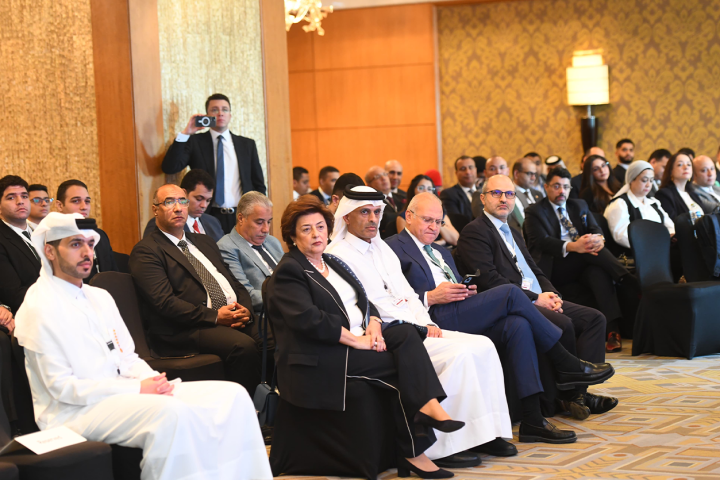
At the WISE 12 Summit, QFFD hosted a high-level ministerial roundtable titled Bridging the Divide, which brought together ministers from more than 10 countries to discuss financing inclusive and future-focused education. Discussions covered innovative models, digital equity, and how global disruptions are reshaping the financing landscape.
QFFD also collaborated with SEEK Development to deliver a masterclass exploring global priority shifts and their implications for education financing. The session examined trends such as outcome-based funding and South-South cooperation. According to Al-Salahi, these engagements reinforced QFFD’s role as a thought leader in the global education sector, enabling the organisation to build dialogue, share solutions, and strengthen its influence.
Challenges in Data and Evidence
One of the recurring concerns raised during these engagements was the need for reliable data. Ministers emphasised that weak data systems make it difficult to implement effective education strategies. Al-Salahi stressed the importance of developing new approaches to data collection and analysis, empowering marginalised communities to participate meaningfully, and ensuring that diverse voices inform policy decisions.
Looking Ahead: Financing Education for the Future
Al-Salahi concluded by reaffirming that sustainable financing remains central to QFFD’s vision. He stated that education funding should be seen not as charity but as an investment in stability, equity, and global prosperity. He emphasised that future progress depends on collaboration, innovation, and ensuring that every child, regardless of geography, has access to quality learning and viable employment pathways.
He noted that QFFD intends to continue strengthening partnerships and contributing to global development goals, reinforcing the Fund’s position as a key player in shaping the future of education around the world.