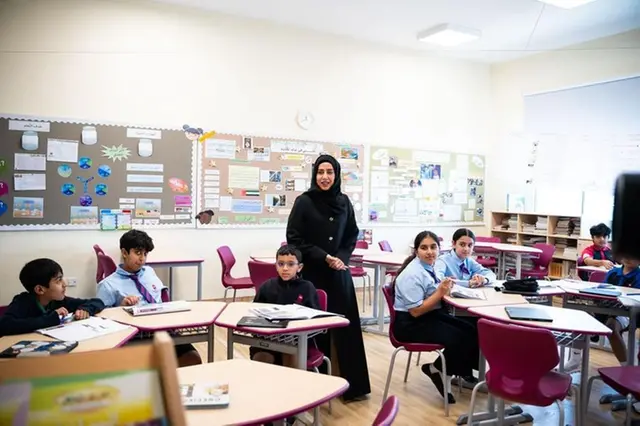
Qatar is preparing to move forward with a major education infrastructure expansion programme, with contract awards for a 16-school development initiative expected during the third quarter of 2026.
The programme, overseen by Ministry of Education and Higher Education, forms part of Qatar’s broader investment in public infrastructure and long-term educational development as the country continues expanding residential communities and public services.
According to project details obtained by Zawya Projects, the contracts are expected to be awarded in July 2026, while overall project completion is targeted for the third quarter of 2028.
Qatar Expands Education Infrastructure
The Qatar school project covers the construction and development of 16 schools across several rapidly growing districts, including:
- Al Mamoura
- Umm Al Seneem
- Rawdat Egdaim
- Luaib
The initiative reflects increasing demand for educational facilities driven by:
- Population growth
- Urban expansion
- Residential development
- Rising student enrollment
- Long-term national planning goals
Education infrastructure remains a major component of Qatar’s public investment strategy as the country seeks to strengthen human capital development alongside economic diversification efforts.
Tender Process Already Underway
The tender process for the first two project packages officially began on January 27, 2026.
Bid submissions were scheduled for April 5, 2026, marking the beginning of the procurement phase for one of the country’s larger public education construction programmes.
Industry sources expect the evaluation process to conclude during the coming months before final contract awards are issued in Q3 2026.
The scale of the programme is expected to attract strong interest from regional and international construction firms active in the Gulf infrastructure market.
Scope of the Qatar 16 Schools Project
The development programme involves extensive construction and infrastructure works across multiple educational campuses.
According to project details, the works include:
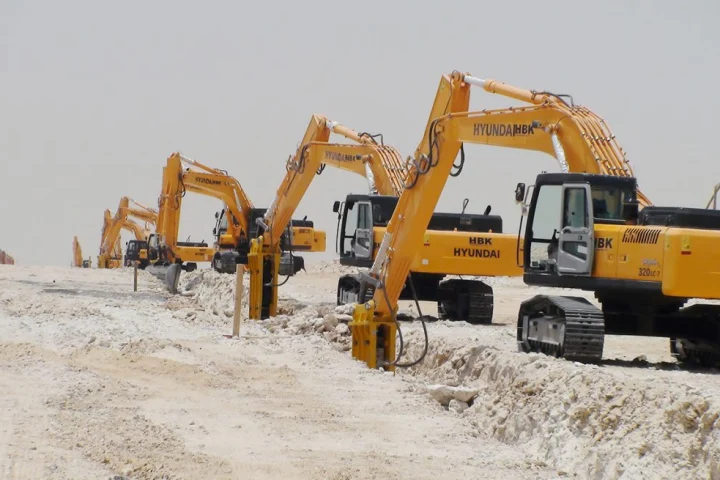
Demolition and Site Preparation
Existing structures and outdated facilities will be cleared where necessary to prepare sites for redevelopment.
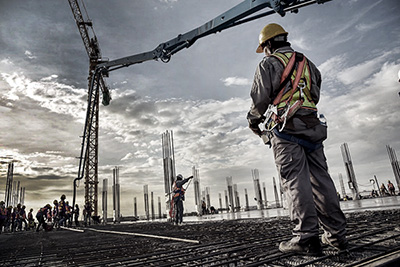
Substructure and Civil Works
Foundational construction and structural development will form a major part of the programme.
Waterproofing and External Envelope Works
The schools will include modern waterproofing systems designed for Qatar’s climate conditions.
Mechanical and Electrical Installations
The project includes:
- HVAC systems
- Electrical infrastructure
- Lighting systems
- Water systems
- Fire safety systems
Internal Finishes and Fixtures
Interior works will cover classrooms, offices, common spaces, and student facilities.
External Infrastructure Development
Road access, landscaping, utility networks, and surrounding site works are also included.
The scope highlights Qatar’s continued emphasis on delivering modern educational environments equipped with updated infrastructure standards.
Schools Included in the Development Programme
The project includes development works for several educational institutions of varying sizes and categories.
Among the schools listed are:
Umm Ayman Secondary School
Planned development area: 30,335 square metres.
Sukaina Preparatory School
Planned development area: 20,870 square metres.
Nusaiba Bin Kaab Primary School
Planned development area: 35,292 square metres.
Khadijah Primary School
Planned development area: 31,384 square metres.
Jowariya Bin Al Hareth Primary School
Planned development area: 25,600 square metres.
Doha Preparatory School
Planned development area: 25,361 square metres.
Al Aqsa Preparatory School
Planned development area: 25,061 square metres.
Abi Ayoub Al Ansari Model School
Planned development area: 25,764 square metres.
The total programme represents a substantial expansion of Qatar’s educational infrastructure footprint.
Why Qatar Is Investing Heavily in Schools
Qatar’s investment in education infrastructure aligns closely with its long-term national development objectives.
The country has consistently prioritized education as a strategic pillar for:
- Economic diversification
- Workforce development
- Knowledge economy growth
- Innovation capacity
- Social development
As Qatar continues expanding urban districts and residential zones, demand for modern public schools has increased significantly.
Large-scale education projects also support broader national goals tied to population growth and future labor market requirements.
Construction Sector Continues to Evolve Post-World Cup
Following the completion of major infrastructure associated with the 2022 FIFA World Cup, Qatar’s construction industry has shifted toward long-term public infrastructure and urban development projects.
Rather than slowing completely after the tournament, the market has increasingly focused on:
- Schools
- Healthcare facilities
- Residential communities
- Transportation upgrades
- Tourism infrastructure
The 16-school programme demonstrates how education projects are becoming an increasingly important segment of Qatar’s post-World Cup development pipeline.
Opportunities for Contractors and Suppliers
The scale of the project is expected to generate opportunities for:
- Construction contractors
- Engineering firms
- Building materials suppliers
- Mechanical and electrical subcontractors
- Interior fit-out companies
Education infrastructure projects typically involve extensive procurement requirements across multiple phases of development.
The programme may also support local economic activity through:
- Job creation
- Supply chain demand
- Engineering services
- Facility management opportunities
Education Infrastructure Becomes a Regional Priority
Qatar is not alone in increasing investment in schools and education facilities.
Across the Gulf region, governments are allocating larger budgets toward educational infrastructure to support:
- Population expansion
- Youth development
- Economic modernization
- Workforce competitiveness
Countries including Saudi Arabia, the UAE, and Oman have also announced major school and university construction programmes in recent years.
The GCC education sector is increasingly viewed as both a social priority and an economic investment.
Timeline and Expected Completion
According to available project details:
- Tender issuance began in January 2026
- Bid submissions were due in April 2026
- Contract awards are expected in July 2026
- Final completion is targeted for Q3 2028
The multi-year timeline reflects the programme’s scale and complexity.
Large education infrastructure projects typically require phased construction schedules to coordinate design, engineering, utilities, and operational readiness.
Qatar’s Long-Term Education Vision
Qatar has consistently emphasized education development within its national planning framework.
The country has invested heavily in:
- Public schools
- International education partnerships
- Universities
- Research institutions
- Technology-enabled learning
Projects such as the 16-school programme are expected to improve educational access and support growing communities across Doha and surrounding districts.
Modern campuses may also incorporate advanced learning technologies, sustainability measures, and updated classroom environments aligned with international standards.
Frequently Asked Questions
When will Qatar award contracts for the 16-school project?
Contracts are expected to be awarded in July 2026 during the third quarter of the year.
Which areas are covered by the school programme?
The schools are located across Al Mamoura, Umm Al Seneem, Rawdat Egdaim, and Luaib.
When is the project expected to be completed?
The overall programme is expected to be completed by the third quarter of 2028.
What construction works are included?
The project includes demolition, civil works, waterproofing, mechanical and electrical systems, internal finishes, and external infrastructure works.
Why is Qatar investing in education infrastructure?
Qatar is expanding education infrastructure to support population growth, economic diversification, and long-term human capital development goals.
Conclusion
Qatar’s planned 16-school development programme highlights the country’s continued commitment to education infrastructure and long-term urban development.
With contract awards expected in Q3 2026 and completion targeted for 2028, the initiative is poised to become one of the notable public infrastructure projects supporting Qatar’s growing communities.
Beyond construction activity, the programme reflects broader national ambitions to strengthen educational capacity, improve public services, and support the country’s transition toward a more diversified knowledge-based economy.