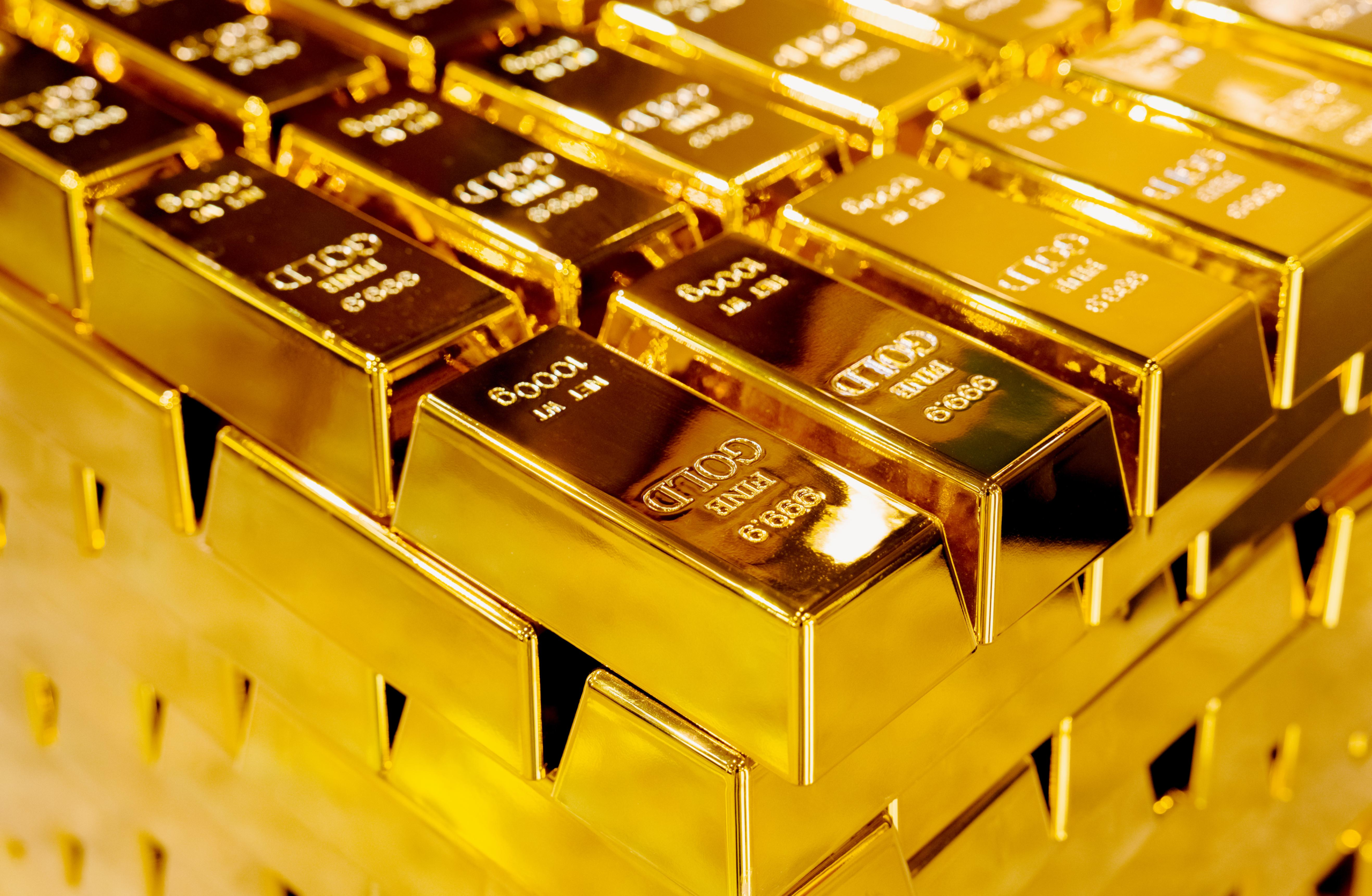
Global gold markets extended their decline on Wednesday as investors reacted to rising inflation concerns, expectations of tighter US monetary policy, and continued geopolitical instability in the Middle East.
Spot gold fell 1.3% to:
- $4,447.71 per ounce
while US gold futures declined 1.2% to:
- $4,448.40 per ounce.
The drop pushed bullion prices to their lowest levels in roughly two months despite ongoing geopolitical tensions linked to the escalating conflict involving:
- Iran
- Israel
- United States
Gold Loses Momentum Despite Geopolitical Risks
Gold traditionally benefits during periods of geopolitical instability because investors often view it as a:
- Safe-haven asset
- Inflation hedge
- Risk protection instrument
However, markets are increasingly focusing on the inflationary consequences of the conflict rather than the immediate flight-to-safety trade.
The ongoing disruptions affecting the:
- Strait of Hormuz
have sharply increased oil prices, raising fears that higher energy costs could keep inflation elevated globally.
Federal Reserve Expectations Pressure Gold
One of the biggest drivers behind the selloff is growing market concern that the:
- Federal Reserve
could maintain tighter monetary policy for longer if inflation pressures continue rising.
Higher interest rates generally weaken gold demand because bullion:
- Does not generate yield
- Becomes less attractive compared to interest-bearing assets
- Faces stronger dollar pressure
Investors are now closely monitoring upcoming US inflation data for signals regarding future Fed policy direction.
Oil Market Disruptions Fuel Inflation Fears
The effective disruption of shipping activity through the Strait of Hormuz continues to impact global energy markets.
The waterway remains one of the world’s most important oil transit routes, handling a major share of global crude exports from Gulf producers.
The conflict has contributed to:
- Higher crude oil prices
- Supply chain uncertainty
- Shipping disruptions
- Rising fuel costs
Elevated oil prices often feed directly into:
- Transportation costs
- Manufacturing expenses
- Consumer inflation
creating additional pressure for central banks globally.
Silver and Platinum Record Sharp Losses
The broader precious metals market also came under pressure.
Silver prices dropped:
- 3.2% to $74.46 per ounce
Meanwhile, platinum fell:
- 2.1% to $1,916.90 per ounce
Silver tends to experience larger price swings than gold because of its dual role as:
- Precious metal
- Industrial commodity
Industrial demand concerns combined with tighter monetary expectations contributed to the steeper decline.
Palladium Slightly Higher
Unlike other precious metals, palladium managed to post a modest gain.
Palladium edged up:
- 0.1% to $1,386.47 per ounce
The metal continues receiving support from:
- Automotive demand
- Supply constraints
- Industrial applications
although volatility remains elevated across commodity markets.
Commodity Markets Facing Heightened Volatility
Global commodity markets are currently navigating a highly unstable environment shaped by:
- Geopolitical conflict
- Inflation fears
- Central bank uncertainty
- Energy disruptions
- Supply chain risks
Investors are increasingly balancing two competing market forces:
- Safe-haven demand from geopolitical tensions
- Downward pressure from higher interest rate expectations
This has created unusually volatile trading conditions across:
- Gold
- Oil
- Industrial metals
- Currency markets
Gold’s Rally Faces Resistance
Gold prices had previously surged to record highs amid:
- Global uncertainty
- Central bank buying
- Inflation hedging
- Geopolitical instability
However, the latest correction suggests investors are becoming more cautious about:
- Future rate cuts
- Inflation persistence
- Economic slowdown risks
The market now appears highly sensitive to macroeconomic data releases and central bank commentary.
Central Banks Continue Watching Inflation Closely
The Federal Reserve and other global central banks remain under pressure to balance:
- Inflation control
- Economic growth
- Financial stability
Persistent energy-driven inflation could complicate future policy easing plans.
Markets are therefore watching:
- US inflation reports
- Employment data
- Energy markets
- Federal Reserve statements
for clearer direction regarding the global interest rate outlook.
Middle East Conflict Continues Influencing Markets
The ongoing regional conflict remains one of the biggest geopolitical risks affecting financial markets in 2026.
The situation has impacted:
- Oil flows
- Shipping routes
- Commodity prices
- Aviation markets
- Investor sentiment
The longer the disruptions continue, the greater the potential impact on:
- Global inflation
- Trade flows
- Energy security
- Economic growth
Frequently Asked Questions
Why are gold prices falling?
Gold prices are falling mainly because investors expect tighter monetary policy and higher interest rates.
How does inflation affect gold?
Gold often benefits from inflation fears, but rising interest rates used to combat inflation can pressure prices lower.
What role does the Federal Reserve play?
The Federal Reserve influences interest rates, which strongly affect gold demand.
Why is the Strait of Hormuz important?
The Strait of Hormuz is a major global oil shipping route critical to energy markets.
Did all precious metals fall?
No. Gold, silver, and platinum declined, while palladium posted a small gain.
Conclusion
The latest decline in gold prices highlights the increasingly complex relationship between geopolitical instability, inflation fears, and central bank policy expectations.
While Middle East tensions would traditionally support safe-haven assets, investors are now more concerned that rising energy prices and persistent inflation could force the Federal Reserve to maintain tighter monetary policy for longer.
As markets await fresh US inflation data and further developments in the Middle East, volatility across precious metals and broader commodity markets is likely to remain elevated.
Read Also: Gold Prices Surge After US Shoots Down Iranian Drone Amid Volatility