Qatari dates production is gaining strong momentum as demand rises during the holy month of Ramadan. With fasting traditions placing dates at the center of daily meals, consumption typically increases across households in Qatar. This year, domestic output has reached approximately 24,000 tons, ensuring ample supply in local markets.
The steady growth in Qatari dates production reflects continued government backing and targeted agricultural policies. Authorities have focused on strengthening farm productivity, improving crop quality, and supporting farmers with technical and financial assistance.
Qatari dates production reaches 24,000 tons
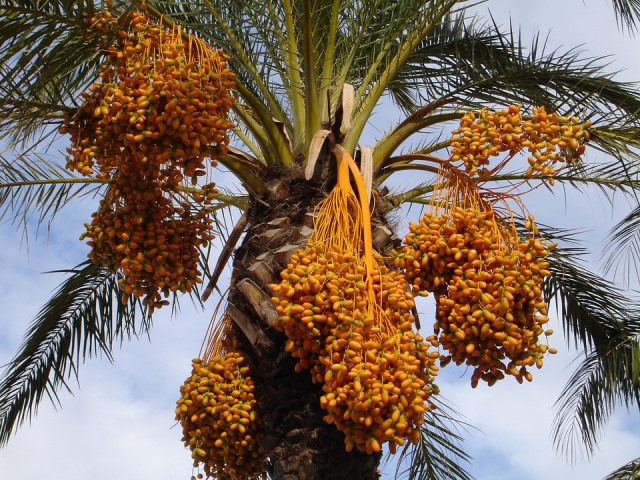
According to official figures, Qatari dates production in 2025 reached around 24,000 tons. Key varieties include Khalas, Shishi, Barhi, and Khunaizi, which are widely favored by consumers during Ramadan.
The Ministry of Municipality has prioritized agriculture as part of its broader strategy to expand the number of productive farms and enhance overall crop standards. Farmers receive support for agricultural inputs as well as technical and advisory guidance to improve output.
Efforts to combat pests such as the red palm weevil remain central to protecting Qatari dates production. Last year, 1,376 field visits were conducted to monitor farms and provide pest control services. That number is projected to rise to 1,500 visits in 2026.
Modern irrigation systems and production technologies suited to Qatar’s environmental conditions have also been introduced. These measures help increase efficiency while maintaining quality.
Government support strengthens local supply
Officials emphasize that dates are considered a strategic crop. As part of its support program, the government has operated an annual project since 2006 to purchase locally produced dates from registered farms.
The initiative allocates an annual budget of QAR 10 million. Around 860 tons of dates are purchased each year and processed by two domestic factories. A portion of the processed dates is sold in local markets, while the remainder is distributed through charitable organizations such as Qatar Red Crescent and Qatar Charity.
These distributions support relief and development programs abroad. At the same time, the project reduces agricultural waste and encourages farmers to further improve cultivation standards.
Festivals and markets boost Qatari dates production visibility
Marketing initiatives play a vital role in promoting Qatari dates production. Local agricultural markets and retail outlets provide direct access to consumers. Farmers also participate in exhibitions and festivals to showcase their products.
Events such as the Qatar International Agricultural Exhibition AgriteQ 2026 and the annual Local Dates Festival at Souq Waqif offer farmers opportunities to sell directly to customers at competitive prices. These platforms enhance brand visibility and strengthen consumer trust in local produce.
Growing consumer awareness of locally sourced food has further reinforced demand. As a result, dates production continues to gain prominence within the domestic market.
With sustained government backing, expanding farm participation, and strong Ramadan-driven demand, Qatari dates production is positioned for continued growth in the coming years.