Qatar National Vision 2030 is one of the country’s most important long-term development frameworks, designed to guide Qatar’s transformation into a sustainable, diversified, advanced, and globally competitive nation. Introduced through Amiri Decision No. 44 of 2008, the vision provides a strategic roadmap for balancing economic growth, social progress, environmental protection, and cultural preservation while improving the quality of life for present and future generations.
At its core, Qatar National Vision 2030 aims “to transform Qatar into a developed country capable of achieving sustainable development and securing a high standard of living for its people.” The initiative serves as a national blueprint that influences government policy, infrastructure development, education reform, healthcare investment, environmental sustainability, labor policies, innovation, and economic diversification.
The vision emerged during a period when Qatar was experiencing rapid economic expansion driven largely by oil and natural gas revenues. While these resources significantly boosted national wealth, Qatar recognized the importance of preparing for a future less dependent on hydrocarbons. The country therefore introduced a strategy focused not only on economic growth but also on building human capital, strengthening institutions, encouraging sustainability, and improving social wellbeing.
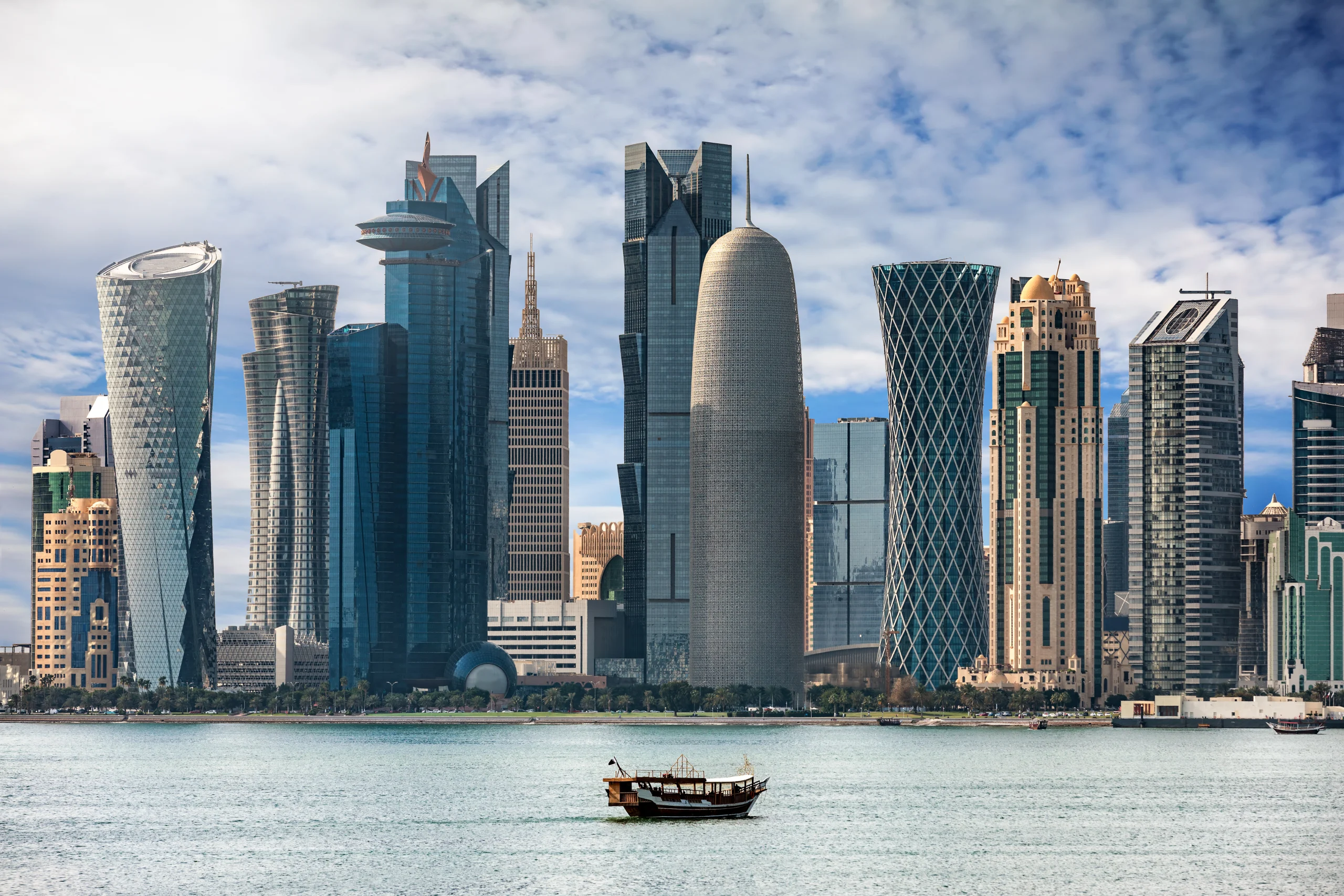
Today, Qatar National Vision 2030 affects nearly every major sector in the country, including education, transportation, tourism, healthcare, energy, technology, sports, culture, urban planning, and environmental management. Large-scale projects such as smart cities, public transportation systems, sustainability initiatives, and international tourism developments are closely linked to the goals outlined within the national vision.
As Qatar continues evolving into a global economic and cultural hub, Qatar National Vision 2030 remains the foundation guiding the country’s future ambitions.
What Is Qatar National Vision 2030?
Qatar National Vision 2030 is Qatar’s long-term national development strategy.
Official Purpose
The vision aims:
“To transform Qatar into a developed country, achieving sustainable development and securing a decent life for its present and future generations.”
Introduced in 2008
The framework was adopted under:
- Amiri Decision No. 44 of 2008
Long-Term Development Framework
The vision guides Qatar’s national planning through the year 2030 and beyond.
Why Qatar Introduced National Vision 2030
Several strategic factors motivated the creation of the vision.
Preparing for a Post-Oil Economy
Qatar recognized the need to reduce overdependence on oil and gas revenues.
Economic Diversification
The country seeks to expand sectors such as:
- Tourism
- Education
- Technology
- Finance
- Healthcare
- Logistics
Managing Rapid Growth
Qatar experienced extremely fast population and infrastructure expansion.
Sustainable Urban Development
The vision helps guide balanced national growth.
Improving Quality of Life
The framework prioritizes social welfare and human development.
Strengthening Global Competitiveness
Qatar aims to position itself as a major regional and international hub.
Core Principles of Qatar National Vision 2030
Several principles form the foundation of the vision.
Balancing Tradition and Modernization
Qatar seeks to modernize while preserving cultural identity and traditions.
Cultural Preservation
The vision emphasizes maintaining national values and heritage.
Caring for Present and Future Generations
Long-term sustainability remains central to national planning.
Intergenerational Responsibility
Policies aim to secure prosperity for future citizens as well as current residents.
Managing National Growth
Rapid development requires careful infrastructure and urban planning.
Supporting Workforce Development
The vision addresses labor market growth and expatriate workforce development.
Balancing Economic and Environmental Goals
Economic expansion must remain compatible with environmental sustainability.
The Four Pillars of Qatar National Vision 2030
The vision is built around four major pillars that shape national policy and development.
Human Development
Human Development focuses on building a skilled, educated, healthy, and capable population.
Education Development
Qatar invests heavily in:
- Schools
- Universities
- Research institutions
- Innovation programs
Healthcare Improvement
The vision emphasizes world-class healthcare systems and public health.
Workforce Development
The country seeks to create a highly skilled and motivated workforce.
Knowledge-Based Economy
Education and innovation are considered essential for future economic sustainability.
Social Development
Social Development focuses on building a stable, fair, inclusive, and caring society.
Social Protection
The pillar promotes:
- Social welfare
- Family stability
- Community development
Balanced Society
The vision encourages cultural identity while supporting modernization.
International Cooperation
Qatar seeks stronger global partnerships and international engagement.
Cultural and National Identity
The country aims to preserve traditional values amid globalization.
Economic Development
Economic Development focuses on creating a diversified and sustainable economy.
Responsible Resource Management
The vision emphasizes careful management of oil and gas resources.
Economic Diversification
Qatar aims to expand non-hydrocarbon sectors including:
- Finance
- Tourism
- Aviation
- Sports
- Technology
- Manufacturing
High Standard of Living
Economic growth is intended to support prosperity and opportunity.
Private Sector Growth
The vision encourages entrepreneurship and investment.
Environmental Development
Environmental Development seeks balance between growth and sustainability.
Environmental Protection
The vision prioritizes conservation of natural resources.
Sustainable Infrastructure
Qatar increasingly focuses on green building and smart city development.
Climate and Resource Management
Environmental policies aim to reduce ecological impact.
Balancing Growth and Sustainability
Economic expansion must not compromise environmental wellbeing.
Major Sectors Influenced by Qatar National Vision 2030
The vision impacts nearly every sector in the country.
Education Sector
Large investments support:
- Universities
- Research centers
- STEM education
- International academic partnerships
Healthcare Sector
Qatar continues developing advanced healthcare facilities and medical research programs.
Transportation and Infrastructure
Projects include:
- Doha Metro
- Road expansions
- Smart city initiatives
- Airport development
Tourism Industry
Qatar increasingly promotes tourism through:
- Hospitality
- Cultural attractions
- Sports tourism
- Luxury experiences
Technology and Innovation
The country encourages digital transformation and innovation ecosystems.
Sports Development
Major sporting events support tourism, global branding, and economic growth.
Sustainability and Green Development
Environmental sustainability has become increasingly important within Qatar’s development plans.
Green Buildings
Many new projects incorporate environmentally efficient designs.
Renewable Energy Investments
Qatar has expanded investments in solar and sustainable energy projects.
Waste and Water Management
Sustainability initiatives increasingly focus on resource conservation.
Smart Cities and Urban Planning
Modern developments integrate sustainability and digital technology.
Challenges Addressed by Qatar National Vision 2030
The vision addresses several complex national challenges.
Population Growth
Rapid population increases require expanded infrastructure and services.
Economic Dependence on Hydrocarbons
The country seeks to reduce reliance on oil and gas revenues.
Environmental Sustainability
Rapid development creates environmental pressures that require careful management.
Workforce Development
The vision addresses labor market modernization and skill development.
Balancing Tradition with Modernization
Qatar aims to modernize without losing cultural identity.
Qatar National Vision 2030 and Global Recognition
The vision has gained international attention for its ambitious planning approach.
Global Investment Attraction
The framework supports foreign investment confidence.
International Events and Tourism
Projects linked to the vision helped support major international events.
Regional Leadership Position
Qatar increasingly positions itself as a regional center for innovation and development.
The Role of Government Institutions
Multiple government institutions help implement the vision.
Planning and Statistics Authority
The authority supports development planning and monitoring.
National Development Strategies
Qatar introduced phased National Development Strategies aligned with Vision 2030.
Multi-Phase Implementation
Development goals are implemented gradually through strategic planning cycles.
How Residents Experience Qatar National Vision 2030
The vision affects everyday life in Qatar in many ways.
Improved Infrastructure
Residents benefit from modern transportation and urban development.
Better Public Services
Healthcare, education, and digital government services continue improving.
More Career Opportunities
Economic diversification creates employment opportunities across multiple industries.
Enhanced Quality of Life
The vision prioritizes safety, sustainability, and community wellbeing.
Frequently Asked Questions
What is Qatar National Vision 2030?
It is Qatar’s long-term national development strategy aimed at achieving sustainable growth and improving quality of life.
When was Qatar National Vision 2030 introduced?
The vision was adopted through Amiri Decision No. 44 of 2008.
What are the four pillars of Qatar National Vision 2030?
The four pillars are:
- Human Development
- Social Development
- Economic Development
- Environmental Development
Why is Qatar National Vision 2030 important?
It guides Qatar’s long-term development, sustainability, diversification, and modernization efforts.
Does the vision focus only on the economy?
No. The framework also emphasizes education, healthcare, society, culture, sustainability, and environmental protection.
Conclusion
Qatar National Vision 2030 represents far more than a government development plan. It is a comprehensive national roadmap designed to shape the country’s future through sustainable growth, human development, economic diversification, environmental responsibility, and social progress. By balancing modernization with cultural preservation, Qatar aims to create a prosperous and resilient society capable of competing globally while maintaining its national identity.
The vision continues influencing major projects, public policy, infrastructure development, tourism expansion, education reform, and environmental initiatives across the country. As Qatar moves closer toward 2030, the framework remains central to the nation’s transformation into a diversified, knowledge-based, and globally connected economy prepared for future generations.