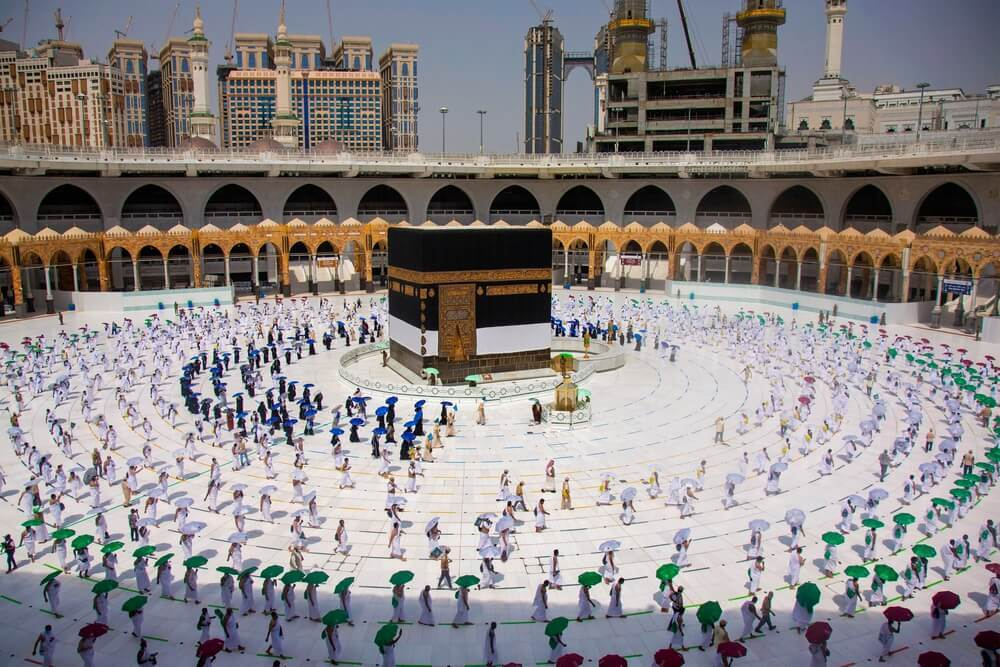
Performing Umrah is one of the most spiritually meaningful journeys for Muslims around the world. Unlike Hajj, which takes place during specific dates in the Islamic calendar, Umrah can generally be performed throughout the year, allowing Muslims greater flexibility to visit the holy cities of Makkah and Madinah for worship and spiritual reflection.
For Muslims living in Qatar, traveling for Umrah has become increasingly convenient because of improved transportation links, organized tour packages, digital visa systems, and modern pilgrimage management services introduced by Saudi authorities. Every year, thousands of pilgrims travel from Qatar to Saudi Arabia to perform Umrah either independently or through licensed tour operators.
Planning Umrah from Qatar involves understanding several important steps including visa options, required documents, transportation arrangements, accommodation, health regulations, mobile applications, and official procedures established by both Qatar and Saudi Arabia.
In recent years, Saudi Arabia has also modernized many pilgrimage systems by introducing digital permits, online platforms, and mobile applications that simplify the Umrah experience for international pilgrims. These changes have made the process faster and more organized while improving crowd management and visitor convenience.
Whether traveling for the first time or preparing for another pilgrimage, understanding the latest procedures and requirements can help ensure a smoother and more spiritually focused Umrah journey.
What Is Umrah?
Umrah is an Islamic pilgrimage to Makkah that Muslims can perform at any time of the year.
Difference Between Umrah and Hajj
Although both are pilgrimages, there are important differences.
Hajj
- Mandatory once in a lifetime for eligible Muslims
- Performed during specific Islamic dates
- Includes additional rituals
Umrah
- Voluntary pilgrimage
- Can be performed throughout most of the year
- Involves fewer rituals
Spiritual Importance
Umrah is considered a deeply rewarding spiritual act involving:
- Prayer
- Tawaf around the Kaaba
- Sa’i between Safa and Marwah
- Personal reflection
- Seeking forgiveness
Visa Options for Umrah From Qatar
Pilgrims traveling from Qatar generally use one of two visa options.
Umrah Visa
The traditional Umrah visa is specifically designed for pilgrims visiting Saudi Arabia to perform Umrah.
Validity Period
The Umrah visa is valid for 90 days.
Permitted Cities
This visa allows travel specifically to:
- Jeddah
- Makkah
- Madinah
Entry Rules
The first entry into Saudi Arabia must occur within 90 days from the visa issue date.
Saudi eVisa for GCC Residents
GCC residents living in Qatar may also perform Umrah using Saudi Arabia’s electronic visa system.
Benefits of the eVisa
Unlike the standard Umrah visa, the eVisa allows access to multiple Saudi cities beyond Makkah and Madinah.
Hajj Restrictions
The eVisa option is generally not applicable during the Hajj season.
Cost of Performing Umrah From Qatar
The cost of Umrah from Qatar varies depending on several factors.
Package Pricing
Typical Umrah packages range from approximately QR 1,300 to QR 3,600.
Factors Affecting Price
Package costs depend on:
- Transportation method
- Hotel category
- Length of stay
- Travel season
- Group or private arrangements
What Packages Usually Include
Most Umrah packages include:
- Visa processing
- Accommodation
- Transportation
- Flight or bus arrangements
- Administrative support
Medical Insurance
Medical insurance costs are generally included within visa pricing.
Required Documents for Umrah From Qatar
Pilgrims must prepare several important documents before traveling.
Umrah Application Form
The application form is usually provided by the approved Hajj and Umrah operator.
Qatar ID Copy
Residents must provide a valid Qatar ID copy.
Passport Requirements
Pilgrims must provide:
- Original passport
- Passport copy
- Passport validity of at least six months
Return Ticket
Travelers must have confirmed non-refundable return tickets.
Departure from Saudi Arabia must occur within two weeks of arrival.
Passport Photographs
Applicants need:
- Two recent passport photos
- White background
- Full-face image facing the camera
Additional Special Requirements
Certain pilgrims may require additional verification.
Non-Muslim Names
Individuals with non-Muslim names may need a certificate from a mosque or Islamic center in Qatar confirming they are Muslim.
Women Traveling Without Mahram
Women and children are no longer required to travel with a mahram for Umrah.
This policy change has made travel easier for many pilgrims.
Health Regulations and Travel Requirements
Health regulations for Umrah travel have changed significantly over recent years.
PCR Test Requirements
As of March 2022, Saudi Arabia no longer requires negative PCR or Rapid Antigen tests for entry.
Following Saudi Health Measures
Pilgrims must still comply with any current health regulations announced by Saudi authorities.
Monitoring Qatar Travel Updates
Travelers should also monitor updates from Qatar’s Ministry of Public Health before departure.
Mobile Applications Required for Umrah
Saudi Arabia now relies heavily on digital platforms for pilgrimage management.
Tawakkalna App
Pilgrims may need the Tawakkalna mobile application for permit management and health verification.
Nusuk App
The Nusuk app is another important application used for:
- Umrah permits
- Prayer bookings
- Pilgrimage scheduling
Importance of Digital Registration
Pilgrims should register and familiarize themselves with these apps before arriving in Saudi Arabia.
Mosque Entry Restrictions Removed
Permits previously required for praying in the Grand Mosque and visiting the Prophet’s Mosque have largely been cancelled.
Rawdah and Umrah Permits
Certain permits may still be necessary for:
- Umrah performance
- Visiting the Noble Rawdah
Quarantine Requirements Removed
Institutional and home quarantine requirements for international pilgrims have been cancelled.
Appointment Compliance
Pilgrims must still adhere to the dates and times assigned for their Umrah appointments.
Approved Umrah Tour Operators in Qatar
Saudi pilgrimage arrangements are commonly handled through approved tour operators licensed by Qatar’s Ministry of Endowments and Islamic Affairs (Awqaf).
Services Provided by Operators
Licensed operators typically handle:
- Visa processing
- Accommodation booking
- Transportation
- Administrative procedures
- Saudi permit requirements
Examples of Approved Operators
Approved operators include:
- Ansar for Hajj and Umrah
- Hatim Hajj and Umrah Office
- Nosok for Hajj and Umrah
- Taiba for Hajj and Umrah
Choosing the Right Umrah Package
Pilgrims should compare packages carefully before booking.
Important Factors to Consider
Consider:
- Hotel location
- Distance from Haram
- Transportation quality
- Package duration
- Group size
- Meal inclusion
- Airline quality
Peak Season Pricing
Prices often increase during:
- Ramadan
- School holidays
- Major Islamic periods
Tips for First-Time Umrah Travelers
Proper preparation can significantly improve the pilgrimage experience.
Travel Light
Avoid carrying excessive luggage.
Learn Basic Rituals in Advance
Understanding Umrah rituals before departure can reduce stress during the journey.
Stay Hydrated
Saudi Arabia’s climate can be extremely hot, especially during summer.
Plan Prayer Schedules
The holy cities become very busy during prayer times.
Maintain Patience
Large crowds are common, particularly during peak seasons.
Spiritual Preparation for Umrah
While logistics are important, spiritual preparation remains central to the pilgrimage.
Intention and Reflection
Pilgrims often prepare spiritually through:
- Increased prayer
- Repentance
- Quran recitation
- Charity
- Reflection
Respect and Discipline
Maintaining patience, humility, and kindness forms an important part of the Umrah experience.
Transportation From Qatar to Saudi Arabia
Pilgrims traveling from Qatar generally choose between:
- Flights
- Bus transportation
- Organized group transport
Air Travel
Flying remains the fastest and most popular option.
Road Travel
Some pilgrims prefer organized bus journeys, especially for group travel experiences.
The Growing Accessibility of Umrah
Saudi Arabia’s modernization initiatives have made Umrah more accessible for international pilgrims.
Digital Systems
Online visas and mobile apps simplify travel management.
Expanded Tourism Infrastructure
Improved transportation and hospitality infrastructure continue supporting larger numbers of pilgrims.
Easier GCC Travel
Residents of GCC countries benefit from relatively simplified regional travel systems.
Frequently Asked Questions
Can Qatar residents perform Umrah using a Saudi eVisa?
Yes. GCC residents can perform Umrah using Saudi Arabia’s eVisa system outside the Hajj season.
How much does Umrah from Qatar cost?
Packages generally range from QR 1,300 to QR 3,600 depending on services and travel arrangements.
Is PCR testing required for Umrah travel?
No. Saudi Arabia removed PCR testing requirements for entry in 2022.
Which apps are needed for Umrah?
Pilgrims may need the Tawakkalna or Nusuk mobile applications.
Can women travel for Umrah without a mahram?
Yes. Women and children no longer require a mahram to perform Umrah.
Conclusion
Performing Umrah from Qatar has become increasingly convenient because of modern travel systems, digital visa services, organized pilgrimage operators, and improved Saudi pilgrimage infrastructure. Whether traveling individually or through an approved tour agency, pilgrims now have multiple options for arranging transportation, accommodation, permits, and religious guidance.
However, successful Umrah preparation still requires careful planning, proper documentation, understanding of current regulations, and spiritual readiness. From visa procedures and mobile applications to health updates and travel logistics, staying informed helps ensure a smoother and more meaningful pilgrimage experience.
Above all, Umrah remains a deeply spiritual journey focused on worship, reflection, humility, and devotion. For many Muslims in Qatar, it continues to represent one of life’s most important acts of faith and connection with the holy cities of Islam.