Sustainability is rapidly transforming the global fashion industry, and Qatar is beginning to carve out its own place within this evolving movement. As consumers become more conscious of environmental impact, ethical sourcing, and responsible production, a growing number of local fashion brands are shifting toward eco-friendly materials, slower production methods, and sustainable design philosophies.
For years, fast fashion dominated international retail markets with mass production, disposable clothing trends, and low-cost manufacturing. However, rising environmental awareness has exposed the industry’s contribution to pollution, textile waste, excessive water consumption, and unsustainable labor practices. This global conversation has encouraged both designers and consumers to rethink how fashion is created, purchased, and worn.
In Qatar, several emerging designers and independent labels are now embracing sustainable fashion in ways that blend environmental responsibility with contemporary Gulf aesthetics. These brands are not simply creating clothing; they are building identities around conscious consumption, craftsmanship, ethical sourcing, and long-term quality.
From organic cotton childrenswear to upcycled abayas and eco-conscious athleisure collections, Qatar’s sustainable fashion scene reflects a growing demand for clothing that aligns style with responsibility. The movement also highlights a broader transformation happening across the Gulf, where luxury, innovation, and sustainability are increasingly intersecting.
Today, sustainable fashion brands in Qatar are attracting attention not only for their designs but also for the values shaping their production methods and material choices.
Why Sustainable Fashion Is Growing Globally
The rise of sustainable fashion is closely linked to changing consumer priorities and increasing awareness of environmental issues.
Environmental Concerns
The global fashion industry is one of the world’s largest contributors to pollution and textile waste. Mass production systems often involve:
- Excessive water consumption
- Synthetic materials
- Chemical-heavy manufacturing
- High carbon emissions
- Short product lifecycles
Consumers are becoming increasingly aware of these environmental costs.
Demand for Ethical Production
Modern buyers are also paying closer attention to:
- Labor conditions
- Ethical sourcing
- Supply chain transparency
- Waste reduction
- Long-term durability
As a result, many shoppers now prioritize quality and sustainability over disposable fashion trends.
Shift Toward Conscious Consumption
The concept of “buying less but buying better” has gained popularity globally. Sustainable fashion supports this mindset by encouraging longer-lasting, responsibly produced clothing.
The Rise of Sustainable Fashion in Qatar
Qatar’s fashion industry has traditionally been associated with luxury retail, designer brands, and regional couture. However, sustainability is becoming an increasingly important conversation within the country’s fashion ecosystem.
Several factors are driving this shift.
Younger Consumer Awareness
Younger consumers in Qatar are increasingly influenced by global sustainability trends and are seeking brands aligned with environmental values.
Local Entrepreneurial Growth
Independent designers and local labels are using sustainability as a way to differentiate themselves in a competitive market.
Demand for Unique Fashion Identity
Consumers are also showing greater interest in locally designed products that combine Gulf aesthetics with modern ethical practices.
Government and Corporate Sustainability Discussions
Broader national conversations around sustainability and innovation have also influenced lifestyle industries, including fashion and retail.
What Makes a Fashion Brand Sustainable?
Sustainability in fashion can involve multiple practices rather than one single standard.
Common sustainable approaches include:
- Using organic fabrics
- Reducing textile waste
- Upcycling discarded materials
- Ethical sourcing
- Small-batch production
- Eco-friendly packaging
- Slow fashion principles
- Reducing chemical use
Some brands focus on environmental sustainability, while others prioritize ethical labor or waste reduction.
In Qatar, sustainable fashion labels often combine several of these practices together.
Baby Elephant Organic Wear
Baby Elephant Organic Wear is among the notable Qatar-based brands emphasizing sustainability within childrenswear.
Organic Cotton Focus
The brand uses 100% organic cotton, which is softer on children’s skin and free from many harmful chemicals commonly associated with conventional textile production.
Organic cotton production generally uses fewer pesticides and supports more environmentally conscious farming practices.
Zero-Waste Philosophy
The company also embraces zero-waste principles wherever possible, reflecting growing global efforts to reduce textile waste.
Expanding Children’s Fashion
The brand offers:
- Onesies
- Hoodies
- T-shirts
- Shorts
- Sweatshirts
Its approach demonstrates how sustainability can be integrated into practical everyday fashion rather than limited to niche luxury collections.
Mhefhef
Founded in Doha by Mashael Alnaimi, Mhefhef has positioned itself around handmade sustainable fashion and upcycling.
Upcycled Fashion Design
The brand transforms fabric waste into wearable pieces including:
- Abayas
- Dresses
- Overlays
This process helps prevent discarded materials from ending up in landfills.
Slow Fashion Approach
Mhefhef reflects the broader “slow fashion” movement, which emphasizes craftsmanship, limited production, and timeless design over mass manufacturing.
The brand’s philosophy also aligns closely with growing global conversations around circular fashion and textile reuse.
NINTH Sustainable Fashion
NINTH focuses primarily on environmentally conscious children’s clothing.
Social and Environmental Responsibility
The brand emphasizes both sustainable materials and socially responsible production practices.
This dual approach reflects growing industry recognition that sustainability involves not only environmental impact but also ethical manufacturing standards.
Retail Accessibility
The availability of NINTH products in major retail stores also highlights how sustainable fashion is becoming increasingly mainstream within Qatar’s retail environment.
RSPR
RSPR has gained recognition for combining athleisure fashion with sustainability-driven production principles.
Sustainable Athleisure
Athleisure has become one of the fastest-growing global fashion categories, but it is also heavily dependent on synthetic materials.
Brands like RSPR attempt to balance modern activewear aesthetics with more environmentally conscious approaches.
Versatile Design Philosophy
The brand’s focus on versatile wearability encourages longer-term use rather than short-lived trend cycles.
This aligns with sustainability principles emphasizing durability and repeat wear.
SR by Sonali Raman
SR by Sonali Raman blends sustainable fashion with artistic craftsmanship and wearable luxury.
Eco-Friendly Materials
The brand incorporates:
- Eco-conscious fabrics
- Discarded leather
- Handmade jewelry materials
Using discarded materials creatively helps reduce waste while giving products unique character.
Handmade and Slow Fashion Elements
The emphasis on handmade production also reflects slow fashion values centered around craftsmanship and limited production.
TRZI
TRZI integrates sustainability into formalwear and modern Gulf fashion design.
Ethical Design Integration
The brand aims to combine ethical practices with contemporary aesthetics while maintaining strong design identity.
Contemporary Gulf Fashion
Collections include:
- Abayas
- Dresses
- Robes
- Formalwear
TRZI reflects how sustainability can exist within luxury-oriented and culturally inspired fashion segments.
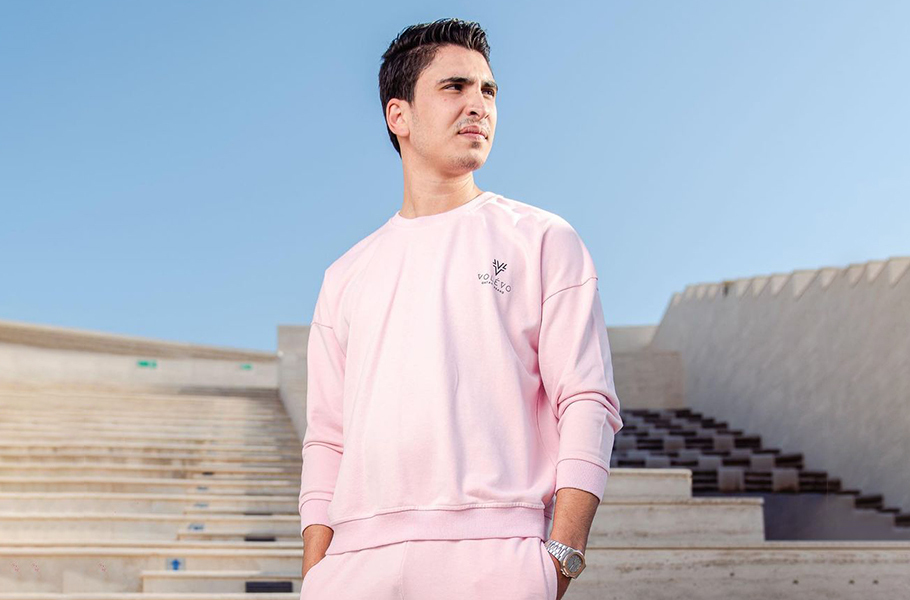
VOLÉVO
VOLÉVO has become one of the more recognizable Qatari brands promoting sustainable casual wear.
Natural and Organic Materials
The brand uses materials such as:
- Organic cotton
- Natural linen
- Straw-based materials
Natural fabrics generally carry lower environmental impact compared to synthetic alternatives.
Minimalist Casual Fashion
VOLÉVO’s product range reflects growing consumer interest in relaxed, versatile clothing with sustainability-driven branding.
1309 Studios
1309 Studios incorporates vegan fabrics and eco-conscious packaging into its collections.
Vegan Fabrics
The brand uses vegan linen and cupro, a natural by-product from the cotton industry.
Cupro is increasingly used in sustainable fashion because it repurposes cotton waste into softer, silk-like fabrics.
Eco-Friendly Packaging
The company’s biodegradable and compostable packaging reflects growing industry pressure to reduce plastic waste in retail and shipping.
Diverse Product Range
The collections include:
- Abayas
- Dresses
- Jackets
- Shirts
- Pants
- Kaftans
This demonstrates how sustainable fashion is expanding beyond niche categories into broader lifestyle collections.
Why Consumers Are Choosing Sustainable Fashion
Several factors are driving demand for sustainable fashion brands in Qatar and globally.
Quality Over Quantity
Consumers increasingly prefer durable products designed for long-term wear rather than disposable seasonal trends.
Ethical Awareness
Shoppers are becoming more conscious of environmental and social impacts associated with fashion manufacturing.
Support for Local Designers
Locally produced sustainable brands also attract consumers interested in supporting regional entrepreneurship and creative industries.
Unique Design Identity
Independent sustainable labels often offer more distinctive and artistic collections compared to mass-market fast fashion retailers.
Challenges Facing Sustainable Fashion Brands
Despite growing demand, sustainable fashion businesses still face important challenges.
Higher Production Costs
Organic materials, ethical labor practices, and smaller production runs often increase operational expenses.
Consumer Price Sensitivity
Sustainable fashion products can be more expensive than fast fashion alternatives, limiting accessibility for some consumers.
Limited Material Availability
Sourcing sustainable fabrics and ethical manufacturing resources can remain difficult within emerging fashion markets.
Market Education
Some consumers still prioritize trends and pricing over sustainability concerns.
However, increasing awareness continues gradually shifting purchasing behavior.
The Future of Sustainable Fashion in Qatar
Sustainability is expected to become increasingly important within Qatar’s fashion and retail sectors.
Several trends support future growth:
- Rising environmental awareness
- Demand for ethical products
- Growth of local fashion entrepreneurship
- Expansion of e-commerce
- Interest in Gulf-based design identity
- Younger consumer sustainability values
As Qatar continues investing in innovation, sustainability, and cultural industries, eco-conscious fashion brands are likely to gain even greater visibility.
Frequently Asked Questions
What are sustainable fashion brands in Qatar?
These are brands that prioritize environmentally friendly materials, ethical practices, waste reduction, or slow fashion principles.
Are there eco-friendly fashion brands in Qatar?
Yes. Several Qatar-based brands focus on organic materials, upcycling, ethical production, and sustainable fashion concepts.
What materials do sustainable fashion brands use?
Common materials include organic cotton, natural linen, vegan fabrics, and recycled or upcycled textiles.
Why is sustainable fashion important?
Sustainable fashion helps reduce environmental impact, supports ethical production, and encourages longer-lasting clothing consumption.
Is sustainable fashion more expensive?
Often yes, because eco-friendly materials and ethical production methods generally involve higher manufacturing costs.
Conclusion
Sustainable fashion brands in Qatar are helping reshape the country’s evolving fashion landscape by combining modern design with environmental and ethical responsibility. From organic childrenswear and upcycled abayas to eco-conscious athleisure and vegan fabrics, these brands reflect a broader shift toward mindful consumption and responsible creativity.
Although the sustainable fashion sector in Qatar remains relatively young, it is growing steadily alongside global conversations around climate awareness, ethical production, and conscious living. Consumers are increasingly seeking products that reflect both personal style and social values.
As local designers continue innovating and sustainability becomes more integrated into the retail industry, Qatar’s eco-friendly fashion movement is likely to play an increasingly important role in shaping the future of Gulf fashion.