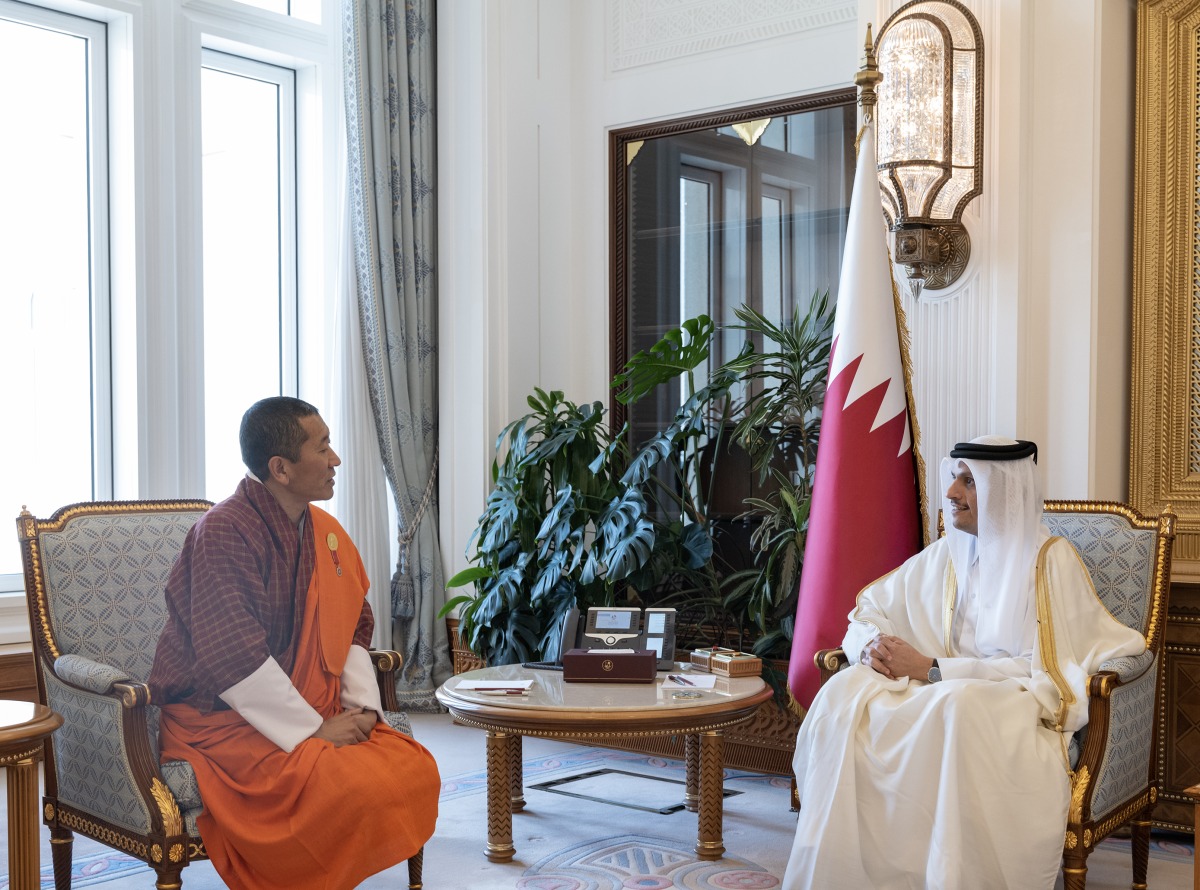
On October 16, 2025, the Kingdom of Bhutan and the State of Qatar officially established diplomatic relations. This historic milestone marks a new chapter in the foreign policy trajectories of both nations. Her Excellency Sheikha Alya Ahmed bin Saif Al-Thani, Qatar’s Permanent Representative to the United Nations, and His Excellency Pema Lektup Dorji, Bhutan’s Permanent Representative, signed a joint communiqué at Qatar’s Permanent Mission in New York.
This diplomatic breakthrough reflects both nations’ commitment to cooperation, mutual respect, and a stronger role in global affairs. Analysts suggest it could pave the way for collaboration in trade, education, culture, tourism, and political engagement.
Historical Context of Qatar-Bhutan Relations
Before this announcement, Qatar and Bhutan had limited informal interactions through multilateral forums. These included the United Nations and the Non-Aligned Movement for Bhutan, and the Organization of Islamic Cooperation for Qatar. Despite their geographic distance and economic differences, both countries share common principles: respect for sovereignty, focus on sustainable development, and commitment to peace.
Bhutan has traditionally pursued a cautious foreign policy guided by its close relationship with India. Recently, it has sought to expand diplomatic ties to other regions. Establishing relations with Qatar fits Bhutan’s strategy of increasing its global presence.
Qatar, in contrast, has been proactive in extending its international reach. From hosting global sports events to financing infrastructure abroad, Qatar combines soft power with strategic diplomacy. Formal ties with Bhutan enhance Qatar’s global portfolio and demonstrate its commitment to engaging with diverse partners.
Signing Ceremony: Active Diplomacy in Action
The joint communiqué signing at the UN emphasized the importance of multilateral diplomacy. Sheikha Alya Ahmed bin Saif Al-Thani said, “Qatar and Bhutan share a commitment to peace, cooperation, and mutual understanding. We will build strong bilateral relations that benefit our peoples.”
Pema Lektup Dorji added, “Bhutan is delighted to formalize relations with Qatar. This partnership will boost collaboration in education, culture, trade, and sustainable development. We look forward to a productive and mutually respectful relationship.”
By signing the communiqué at the UN, both countries signaled their dedication to multilateral principles. They confirmed their commitment to the UN Charter, including respect for sovereignty and equality among states.
Strategic Motivations Behind the Move
Bhutan gains an opportunity to diversify its diplomatic partnerships beyond South Asia. India remains Bhutan’s closest ally, but relations with Qatar offer new avenues for trade, investment, and technical collaboration. Qatar, with its financial resources and strategic Middle East location, provides Bhutan a valuable partner in sectors like tourism and education.
Qatar seeks to extend its network into South Asia and strengthen its image as a global partner for sustainable development. Bhutan’s unique governance model, centered on Gross National Happiness, offers insights into alternative approaches to societal well-being.
This partnership highlights how small and medium-sized nations can leverage complementary strengths. Bhutan benefits from financial and technological expertise, while Qatar gains access to strategic partnerships in South Asia.
Economic and Trade Opportunities
Despite differences in economic profiles, both nations can find areas for cooperation. Qatar’s economy focuses on hydrocarbons, finance, and infrastructure. Bhutan relies on hydropower, agriculture, and sustainable tourism.
Experts identify several sectors for collaboration:
- Energy and Hydropower: Qatar can invest in Bhutan’s hydropower projects and share expertise in energy management.
- Tourism and Cultural Exchange: Bhutan’s unique culture could attract Qatari tourists, while Qatar’s modern infrastructure can interest Bhutanese visitors.
- Education and Research: Universities in both countries can develop scholarships, student exchanges, and joint research programs.
- Trade Opportunities: Bhutanese handicrafts, agricultural products, and cultural exports can find markets in Qatar. In return, Qatar can provide high-quality goods and investment in services.
Though trade volumes may initially remain modest due to geographic distance, both countries recognize the strategic value of the relationship.
Political and Diplomatic Implications
Politically, the relationship strengthens both countries’ global standing. Bhutan gains visibility and influence, and Qatar reinforces its role as an active international player.
At the United Nations and other forums, Qatar and Bhutan can coordinate on resolutions related to climate change, sustainable development, and peacekeeping. Cooperation in such forums enhances Bhutan’s effectiveness in international negotiations and showcases Qatar’s diplomatic reach.
Analysts note that formal ties also improve both nations’ leverage in regional diplomacy. Bhutan benefits from Qatar’s Middle East connections, while Qatar gains a foothold in South Asia.
Cultural and Educational Exchange
Cultural diplomacy is expected to play a central role. Both countries have rich traditions that they can showcase through festivals, exhibitions, and educational programs. Bhutan’s Buddhist heritage and architecture could attract Qatari visitors. Qatar’s modern art, music, and urban development offer learning opportunities for Bhutanese citizens.
Educational partnerships are also likely. Qatari universities can provide scholarships to Bhutanese students. Joint research programs can focus on renewable energy, climate resilience, and governance. Bhutan’s Gross National Happiness education model can offer insights to Qatari institutions interested in alternative approaches.
Reactions from the International Community
The global community views the Qatar-Bhutan diplomatic initiative positively. Analysts highlight it as an example of how smaller nations can engage meaningfully in global diplomacy.
Some experts emphasize that even partnerships between geographically distant, economically different countries carry symbolic and strategic weight. These ties demonstrate that small and medium-sized states can shape international cooperation and leverage relationships to achieve long-term goals.
Challenges and Considerations
Despite optimism, challenges exist. Geographic distance and differing governance styles may slow practical cooperation. Bhutan’s cautious diplomacy may not always align with Qatar’s fast-moving initiatives.
Political dynamics in the Gulf and South Asia could also influence the relationship. Bhutan must balance its ties with Qatar against its longstanding partnership with India. Qatar, meanwhile, must navigate Gulf politics while pursuing diverse international partnerships.
Future Prospects for Collaboration
The newly established diplomatic relationship opens doors for long-term cooperation in several areas:
- Sustainable Development: Joint projects aligned with UN Sustainable Development Goals.
- Renewable Energy: Collaboration in hydropower, solar, and energy efficiency programs.
- Tourism Promotion: Bhutan’s cultural tourism can attract Gulf visitors; Qatar’s infrastructure can support Bhutanese tourism initiatives.
- Youth and Cultural Programs: Exchanges can foster understanding and strengthen ties between the next generation.
Analysts predict that within the next decade, Qatar-Bhutan relations could evolve into a multifaceted partnership, demonstrating how geographically distant countries can create meaningful collaboration.
Conclusion
The formalization of Qatar-Bhutan diplomatic relations represents a milestone for both nations. The signing of the joint communiqué signals a commitment to mutual respect, collaboration, and global engagement.
For Bhutan, the relationship provides opportunities to diversify international partnerships and enhance global recognition. For Qatar, it reinforces its role as a global diplomatic actor committed to dialogue, development, and cooperation.
As both countries explore the possibilities of collaboration, the world observes a promising example of small and medium-sized states leveraging diplomacy to achieve strategic goals. This partnership highlights that respect, mutual interests, and active engagement remain key pillars of effective international relations.
By emphasizing active diplomacy, collaboration, and cultural exchange, Qatar and Bhutan are poised to create a partnership that benefits both nations while serving as a model for international engagement among geographically distant and culturally diverse states.